Why salad comes first in Sofia, not last
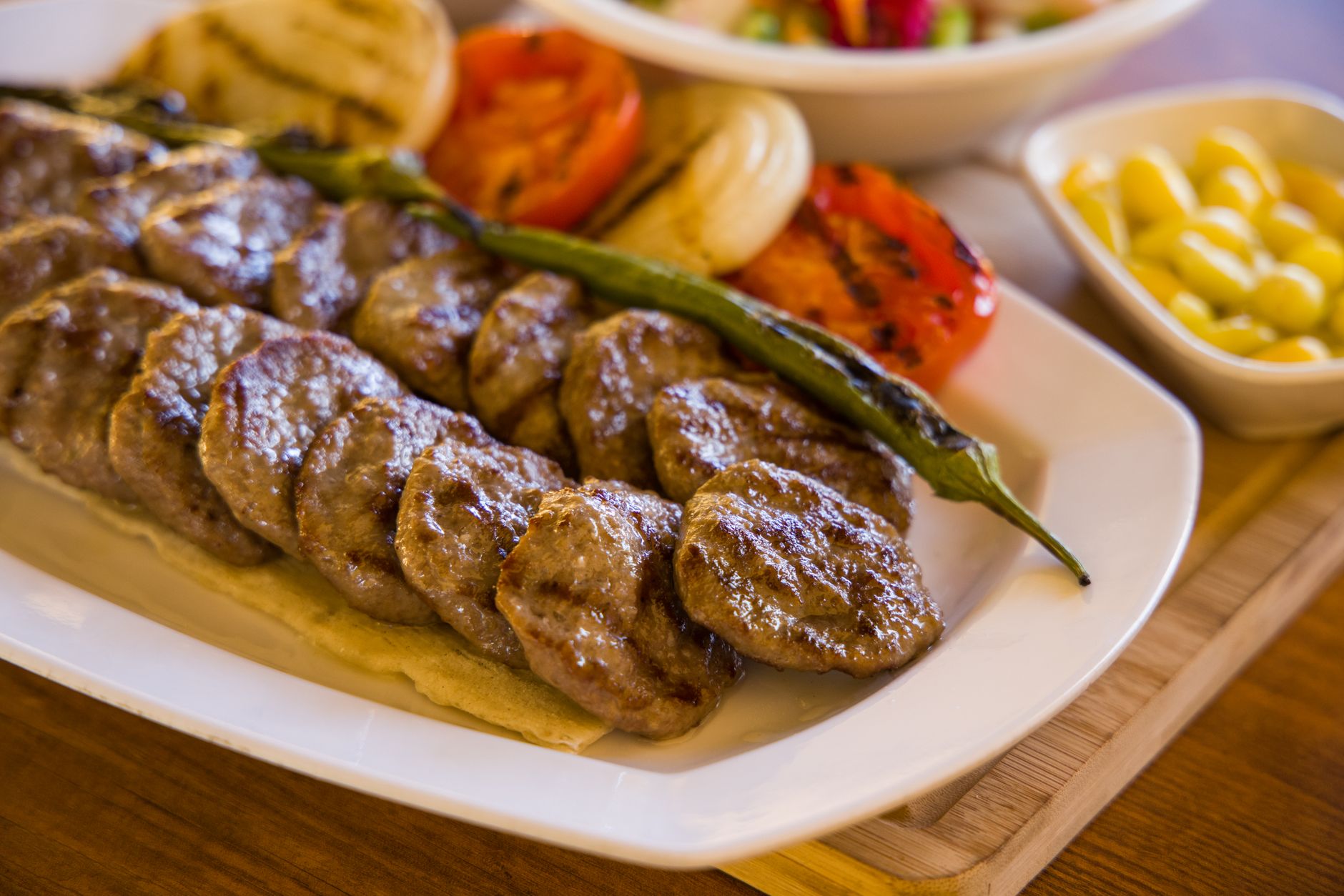
In Bulgaria the salad is the opening course, not a green afterthought pushed to the edge of the plate. A table sits down, orders a round of rakia — the grape or plum brandy poured at 40 percent in 50ml measures for €2 to €3 — and the first thing that lands is a shopska salata, eaten slowly while the grill does its work. The pairing is fixed: cold salad, cold rakia, unhurried conversation. Your grilled meat arrives twenty minutes later by design. Understanding that rhythm changes how you eat here, because the salad course is where a Bulgarian kitchen actually shows its hand before the meat covers everything in char.
The shopska salad itself is the national dish: diced tomato and cucumber, raw or roasted red pepper, a little onion and parsley, dressed with sunflower oil and vinegar, then buried under a snowdrift of grated sirene, the white brine cheese. It is named after the Shopi, the villagers of the region around Sofia, so the capital is the salad's home ground and you should eat it at the source. A good one costs €4 to €6, leans on ripe field tomatoes from June to September, and lives or dies on the cheese — proper sharp, crumbly sheep or cow sirene, not the rubbery block a lazy kitchen grates from a bag.
The shopska benchmark: where the classic is best
Skara Bar on Angel Kanchev Street in Sredets serves the sharpest shopska in the centre — cold, properly acidic, with real crumbly sirene and tomatoes that taste of the season. At around €4 it is the benchmark, and it reaches the table before your kebapche and cold beer, which is exactly right. The room is loud, wooden and walk-in friendly midweek; Friday and Saturday after 8pm you wait. Order the shopska and the mixed grill, skip the fries, and you have the standard Sofia meal against which every other salad on this list is measured. Nothing here is dressed up, and the salad is better for it.
For range rather than a single benchmark, Manastirska Magernitsa on Han Asparuh in Doctor's Garden runs a monastery-recipe menu with a full page of cold salads at €5 to €8 — shopska, roasted pepper, bean, and lesser-seen village versions you will not find translated elsewhere. Hadjidraganovite Kashti near the Lions' Bridge on Kozloduy Street does the folklore-restaurant version: bigger, showier, live music some nights, salads €5 to €7 and a shepherd's salad substantial enough to be lunch. Both are weekend-book, weeknight walk-in. Take Manastirska for depth and honest cooking, Hadjidraganovite when you want the show and the folk band with dinner.
Shtastliveca on Vitosha Boulevard is the reliable central fallback — three branches, a 200-cover flagship with a summer terrace on the pedestrian strip, and a competent shopska at €5 that holds up even when the kitchen is feeding a tour group. It is not the best in the city but it is the easiest to reach without booking, which matters if your hotel sits near the boulevard. What to skip: the tourist restaurants at the top of Vitosha by Sveta Nedelya that photograph the salad beautifully and serve it warm, watery and over-oiled at €8. If the tomatoes look pale in August, that is the whole kitchen telling on itself — walk out.
Beyond shopska: the salads worth ordering
The shopska is the gateway, but three other salads earn a place on your order. Snezhanka — Snow White, sometimes called milk salad — is strained yogurt with cucumber, garlic, dill and crushed walnuts, thick enough to stand a spoon in and genuinely cooling in July heat; €3 to €5, and best at a traditional mehana rather than a fast counter. Ovcharska, the shepherd's salad, layers ham, mushroom, boiled egg and yellow kashkaval over a shopska base and eats as a full meal for €6 to €8 — order it when you want the salad to be lunch and not a starter. Both sit on every proper Bulgarian menu in the centre.
Then the roasted things. Pecheni chushki — red peppers roasted, peeled and dressed with garlic, oil and a splash of vinegar — arrive as a cold salad at €4 to €5 and peak in September when the pepper harvest floods the markets. Kyopoolu, a smoky spread of roasted aubergine and pepper, is technically a dip but comes as a salad course with bread; Manastirska Magernitsa and Moma both do a good one. Skip the supermarket-jar lyutenitsa a weaker kitchen passes off as house-made — the real relish is chunky, dark and cooked down over hours, and you taste the shortcut in the fake instantly.
Actual salad bars for a fast, healthy lunch
If by salad bar you mean a build-your-own bowl for a quick lunch, Sofia has a small but decent scene. Green Deli, the Bulgarian healthy-fast-food chain, is the most reliable — branches on Graf Ignatiev and near NDK, a chilled counter of composed salads and grain bowls at €5 to €7, plus soups and cold-pressed juices. It is the go-to for office workers around the centre between noon and 2pm, so turnover is high and the greens are fresh rather than sitting. Take the salad-and-soup combo to a City Garden bench two minutes away. It closes early evening; this is a lunch operation, not a dinner plan.
Salad Box, the build-your-own chain, runs weight-priced counters in Serdika Center, Mall of Sofia and Paradise Center: pick a base, a protein and a dressing and pay €5 to €8. It is fast and consistent but mall-bound, so it earns its place only if you are already shopping or killing an hour before a train from Central Station, one stop up the M2 line from Serdika. The quality is fine, not memorable — fuel, not a meal out. Skip it if you are anywhere near the centre at lunch, where a Green Deli bowl or a mehana shopska costs the same and tastes of more.
For the best fresh-vegetable eating without meat, Sun & Moon — the vegetarian bakery-restaurant with branches on William Gladstone Street and near Tsar Ivan Shishman — does large composed salads and grain plates at €5 to €8, with genuinely good house sourdough alongside. It is the strongest central option for a vegan or a traveller who has had enough grilled pork for one trip. Made in Home on Angel Kanchev runs roast-vegetable and grain bowls at €7 to €12, but the weekend queue runs forty-five minutes between noon and 2pm; go on a weekday and you get the same food with no wait at all.
Practical: when to order, prices, and what to skip
Timing matters more for salad than for almost anything else you eat in Sofia. Tomatoes peak from late June through September, so the shopska you order in August tastes incomparably better than the pale February version built on greenhouse fruit. If you are here in winter, lean on the roasted-pepper and yogurt salads, which do not depend on ripe tomatoes and eat just as well cold. Prices stay low across the board: €4 to €6 for a shopska at a proper mehana, €5 to €8 for a full shepherd's salad or a build-your-own bowl, and rarely above €8 anywhere honest. Bulgaria joined the euro in January 2026, so you no longer convert lev in your head.
Where you stay decides your easy option. Near Vitosha Boulevard and NDK you have Shtastliveca and Green Deli within five minutes; in Sredets around Shishman and Angel Kanchev you have Skara Bar, Cosmos and Sun & Moon; near the Lions' Bridge and Central Station you have Hadjidraganovite Kashti and the Halite covered-market stalls, where a plate salad runs €3. Tip 10 percent in cash. The one thing to skip everywhere is the tourist-strip restaurant serving a warm, over-dressed shopska in August on out-of-season tomatoes — the salad is the cheapest thing on the menu to get right, so a bad one is the surest sign the whole kitchen cuts corners.
Questions, answered
What exactly is a shopska salad?
Shopska salata is Bulgaria's national salad: diced tomato, cucumber, raw or roasted red pepper, onion and parsley, dressed with oil and vinegar and finished with a thick layer of grated sirene, the white brine cheese. It is named after the Shopi villages around Sofia, so the capital is its home region, and it costs €4 to €6 at a proper restaurant.
Where is the best shopska in Sofia?
Skara Bar on Angel Kanchev serves the sharpest benchmark version at around €4, cold and properly acidic with real crumbly sirene. Manastirska Magernitsa near Doctor's Garden offers the widest range of traditional salads at €5 to €8. Avoid the tourist restaurants at the top of Vitosha Boulevard, which serve warm, watery shopska on out-of-season tomatoes at inflated prices.
Does Sofia have build-your-own salad bars?
Yes, though the scene is small. Green Deli on Graf Ignatiev and near NDK is the best, a chilled counter of composed salads and grain bowls at €5 to €7 that is busy with office workers at lunch. Salad Box runs weight-priced counters in Serdika Center, Mall of Sofia and Paradise Center at €5 to €8, useful mainly if you are already at the mall.
Can vegetarians and vegans eat well from Sofia's salads?
Very well. Beyond the shopska, snezhanka (yogurt, cucumber, garlic and walnut), roasted-pepper salad and kyopoolu spread are all meat-free and on every traditional menu. Sun & Moon, the vegetarian bakery-restaurant on William Gladstone Street, and Made in Home on Angel Kanchev do the best composed salads and grain bowls in the centre, priced €5 to €12.
When are Sofia's salads at their best?
Late June through September, when field tomatoes and peppers hit the markets — an August shopska is far better than a February one built on greenhouse fruit. In winter, order the roasted-pepper and yogurt-based salads instead, which do not depend on ripe tomatoes, and you will still eat well year-round.
Doing good is the business: every booking through Stay Sofia funds one verified tonne of carbon removal — same room, same price, no markup.
Start your search