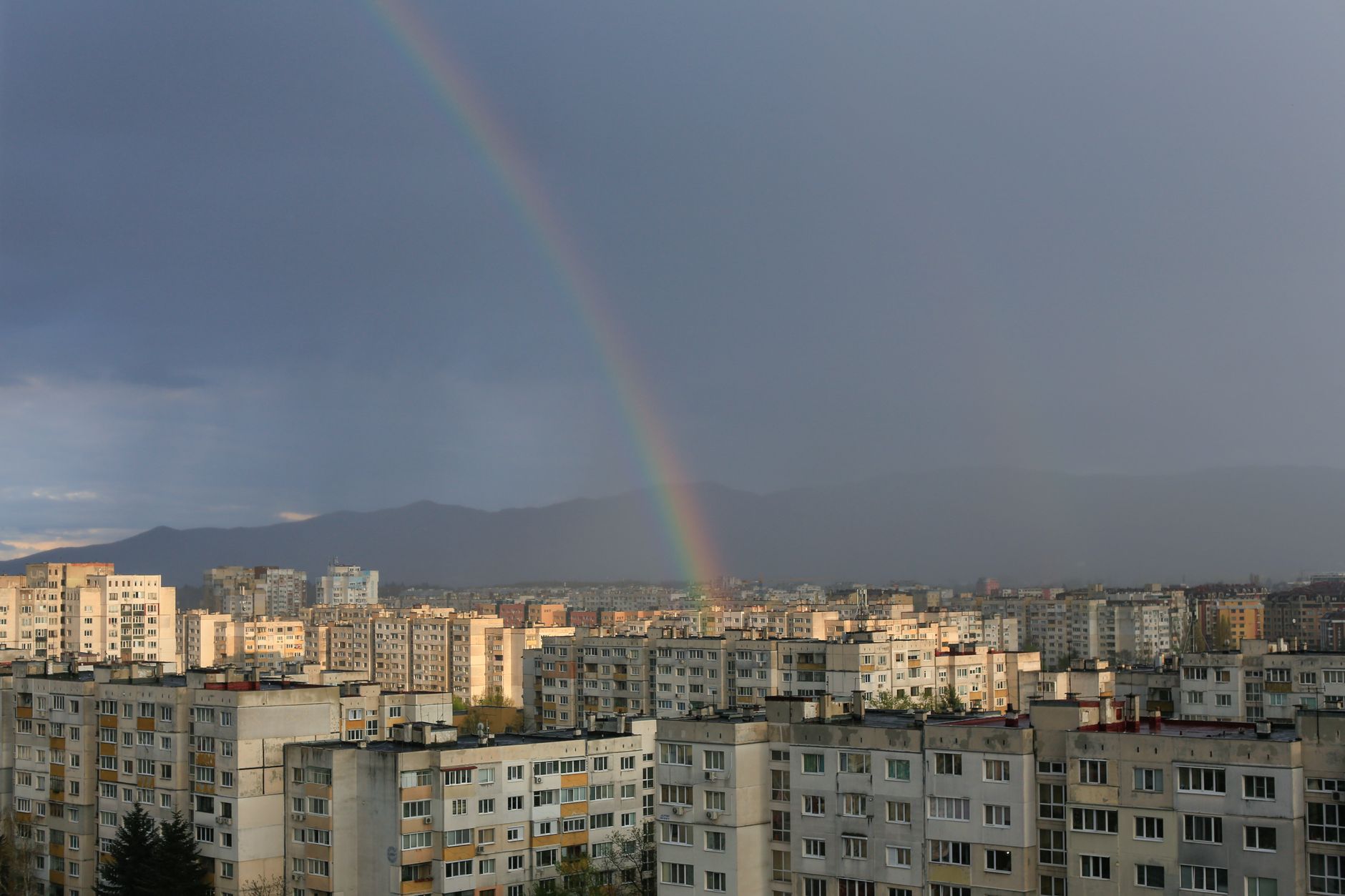
The mountain itself. Trails from Dragalevtsi and Simeonovo, ski lifts at Aleko in winter, empty forests 20 minutes from the centre.
Mount Vitosha rises directly south of Sofia — Cherni Vrah, the summit at 2290 m, is visible from the centre and reachable in a morning. The mountain is a nature park, not a resort, with marked hiking trails from every village on its northern flank, a working (though intermittent) cable car system, and a small ski area at Aleko with three chairlifts and modest lodging. Hotels around the foothills — mostly in Dragalevtsi, Simeonovo and Bankya — sit at €43 to €95.
This suits hikers, families in summer, skiers in winter (December to March, snow depending), and anyone who wants to sleep in the trees rather than in the city. It is not for a first-timer who wants to walk to Alexander Nevsky — you are 30 to 45 minutes from the centre by bus and taxi, longer at rush hour. The mountain villages are quiet after 20:00 and restaurants close by 22:00. Bring a warm layer even in July — the summit can be 15 degrees cooler than Sofia.
Vitosha Nature Park is one of the oldest protected areas in the Balkans, and it feels like it once you are above the treeline: juniper scrub, granite boulder fields, the occasional chamois on the higher slopes, and genuinely dark skies once you clear the last streetlamp in Dragalevtsi. Wild strawberries line the lower trails in June; by October the beech woods below Aleko turn orange and the crowds thin to almost nobody. This is a working nature park with rangers, not a manicured municipal garden, and the paths reflect that — some are gravel service roads, others are narrow and rooted.
Anyone chasing nightlife, museums or a walkable old town should base in the city centre instead and treat Vitosha as a half-day or full-day trip — the mountain has none of that and does not pretend to. But for a traveller who wants one proper hike, one quiet dinner with a view of the Sofia plain lit up below, and a night where the loudest sound is an owl, the foothill villages earn their extra 30 minutes of commute.
Where to stay in Vitosha
The best foothill options are in Dragalevtsi (below the cable car), Simeonovo (below the chairlift) and Boyana (below the church and museum). Prices €48 to €95 for a small hotel or guesthouse, dropping toward €43 in low season (November, April) and climbing past €95 on winter weekends when Aleko has snow. Streets in Dragalevtsi like Zdravets and Boryana are quiet and forested; Simeonovo Boulevard is the main axis of Simeonovo. In Boyana, Casa Boyana Boutique Hotel and Hotel Villa Boyana both sit within walking distance of the church and the waterfall trailhead, which suits anyone prioritising the museum and hike over the ski lifts. Avoid anything at the very foot of the ring road — traffic noise ruins the quiet. Confirm heating in winter and check whether the cable cars are actually running before booking a walk-up base.
Hotels in Vitosha
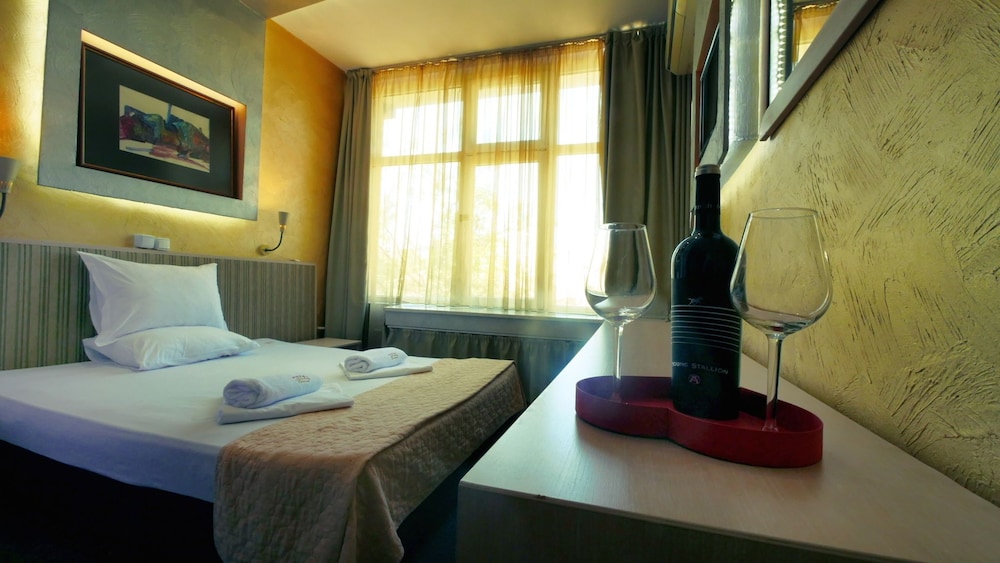
Real, top-reviewed rooms — booked at the same live rate through app.impt.io, one verified tonne of carbon removed per stay.
Things to do in Vitosha
- Cherni Vrah summit hikeThe classic Vitosha day hike. Start at Aleko (drive or Simeonovo cable car €9 return), follow the marked trail 1.5 hours up to the 2290 m summit. Cross in stone at the top, no cafe. Bring water, wind layer. Round trip 4 hours.
- Boyana WaterfallPopular short hike from Boyana village. Marked trail from the church car park, 90 minutes up to the 15-metre waterfall. Best in May to June when snowmelt runs high. Free, always open.
- Aleko ski area (winter)December to March conditions permitting. Three chairlifts, five main runs mostly intermediate, day pass around €26. Ski hire on-site €17. Get there by chairlift from Simeonovo or drive; the road can require winter tyres or chains.
- Golden Bridges (Zlatnite Mostove)A stone river — a boulder field of granite blocks the size of cars, at 1400 m on Vitosha's northern flank. Reach it by bus 63 from Hladilnika in summer weekends, or drive. Cafe on-site. Family-friendly, minimal walking.
- Boyana Church and frescoesA UNESCO World Heritage Site on the same lane as the waterfall car park. Thirteenth-century frescoes inside a small stone church, entry €6, open 09:30 to 17:30 Tuesday to Sunday, closed Monday. Visits are timed and limited to small groups — allow 20 minutes inside.
- National History Museum, BoyanaHoused in the former royal palace a short walk from the church, on Vitoshko Lale street. Entry €6, open 09:30 to 18:00 daily except Monday. Ceramics, Thracian gold and royal-era rooms; two hours is enough for most visitors.
Getting around & the essentials
The foothill villages are served by city buses: bus 66 from G. M. Dimitrov metro to Dragalevtsi (20 minutes, €1); bus 122 or 64 to Simeonovo; bus 64 to Boyana; bus 63 to Zlatnite Mostove (weekends and summer only). Cable cars from Simeonovo and (when running) Dragalevtsi reach the higher ski and hike areas — €5 to €9 return. From the airport it is 40 to 50 minutes by taxi (€17 to €26) or a metro-plus-bus combination via Serdika or G. M. Dimitrov stations. Once in the villages, everything worth reaching is a 10 to 30 minute walk from the bus stop; a car helps most in winter, when bus frequency drops and snow chains matter more than parking.
Dragalevtsi Cable Car to Aleko Ridge. Take the Dragalevtsi chair cable car up (currently intermittent — check before going) or bus 66 to Dragalevtsi and hike up from there. Follow the marked trail east along the ridge to Aleko, past the Bai Krastyo hut, with views north over Sofia the whole way; the hut sells tea, soup and rakia and is worth the ten-minute stop. Return by chairlift or on foot; 5 hours total, roughly 500 m of ascent.
Vitosha, questions answered
Is the Vitosha cable car actually running?
The Simeonovo chairlift runs weekends year-round and some weekdays in high season. The Dragalevtsi chairlift has been intermittent for years — sometimes running weekends, sometimes closed for maintenance. Always confirm on the day; if it is closed, hike up or take bus 64 to a higher trailhead.
Can I ski Vitosha as a beginner?
One easy run at Aleko is suitable for beginners, but Vitosha is not a beginner resort — no dedicated ski school in English, limited hire quality, no children's area. Bansko (2.5 hours south by car) is a much better beginner option.
Is Vitosha good for a day trip from Sofia?
Yes, and most visitors treat it that way rather than staying overnight. A bus out in the morning, a hike to the waterfall or the summit, and a bus back by early evening covers the mountain's main draws without needing a room. Staying over only pays off if you want an early summit start or a ski day with no commute.
Do I need a car to visit Vitosha?
No — buses 66, 64, 122 and the seasonal 63 reach every main trailhead and village from the metro. A car saves time and matters more in winter, when bus frequency drops and the Aleko road can need chains, but hikers and day-trippers manage fine on public transport.
Nearby districts
Doing good is the business: every booking through Stay Sofia funds one verified tonne of carbon removal — same room, same price, no markup.
Start your search