Food & drink
Sofia's Best Traditional Bulgarian Restaurants in 2026: Where to Try Banitsa, Shopska Salad & Rakia
From century-old mehanas in the city centre to family-run taverns in Lozenets, Sofia's traditional restaurants serve authentic Bulgarian cuisine that turns every meal into a cultural experience worth planning your accommodation around.
Why Sofia's Traditional Dining Scene Deserves a Multi-Day Stay
Sofia's traditional restaurant landscape stretches across neighbourhoods that each offer distinct culinary personalities, making a centrally located hotel the single best decision you make for eating well here. The mehanas of the old core around Sredets and the Doctor's Garden sit within a ten-minute walk of one another, while the folk taverns worth a special trip climb the Vitosha foothills in Dragalevtsi and Boyana, twenty to thirty minutes out by taxi. Because a proper Bulgarian dinner runs long — a round of rakia, a cold salad, then grilled meat that lands twenty minutes later, all unhurried — you want to roll back to bed rather than negotiate a night bus. Base yourself between Vitosha Boulevard and the Doctor's Garden and almost every restaurant below is a stroll from your door.
One evening is not enough to see the range. A single dinner forces a choice between the monastery-recipe cooking of Manastirska Magernitsa, the folklore show at Hadjidraganovite Kashti, and the wood-fired lamb at a Vitosha tavern, and each is a different Bulgaria. Spread across three or four nights you can eat a slow shopska-and-rakia dinner in the centre on the first evening, climb to Dragalevtsi for a folk night on the second, and keep a morning free for warm banitsa from a neighbourhood bakery. Nightly room rates in the €40 to €70 band around the centre make a longer stay easy to justify, and the food rewards it: the best kavarma and gyuvech are clay-pot dishes a kitchen only fires in quantity when it has the time, which is to say not for a rushed one-night visitor.
The city-centre mehanas that set the standard
Manastirska Magernitsa on Han Asparuh Street, a few steps from the Doctor's Garden, is the one traditional restaurant to book if you book only one. Its menu runs to hundreds of dishes drawn from Bulgarian monastery recipes — rabbit stew, nettle soup, slow-cooked lamb and a full page of cold salads — with mains at €7 to €12 and a garden courtyard that fills fast in summer. Reserve for Friday or Saturday; midweek you can usually walk in before 8pm. Order the monastery-style kavarma, the pork baked in a clay pot, and a carafe of house red from Melnik, and you have eaten the honest version of the cooking that every other place on this list is chasing.
Two streets north, near the Lions' Bridge on Kozloduy Street, Hadjidraganovite Kashti delivers the full folklore-restaurant experience: a warren of wood-panelled rooms, a live folk band most nights, and platters of grilled meat and stuffed vine leaves at €6 to €11. It is louder and showier than Manastirska, and better for a group than a quiet dinner for two. For something older and calmer, Pod Lipite — Under the Linden Trees — has served near Borisova Gradina park since 1926, in a low timber building that feels like a village house dropped into the city; its game dishes and grilled trout run €8 to €14, and it is the most atmospheric room in Sofia for a traditional meal.
If you want traditional cooking without the folk-band theatre, Moma Bulgarian Food and Wine on Solunska Street plates the classics — tarator, sarmi, kavarma — with a lighter modern hand and one of the best Bulgarian wine lists in the city, mains €8 to €13. It sits five minutes from Vitosha Boulevard, so it is the easy choice if your hotel is near NDK or the boulevard. Skip the glossy tourist mehanas at the very top of Vitosha Boulevard by Sveta Nedelya, where the same dishes cost a third more and arrive without the care; the good kitchens are one or two streets off the pedestrian strip, not on it.
Where to base yourself, within a rakia's reach of the table
The centre — Sredets and the blocks around Vitosha Boulevard — is the obvious base, because it puts Manastirska Magernitsa, Moma and the boulevard restaurants inside a fifteen-minute walk and the M2 metro under your feet for the ride in from the airport. Lozenets, the leafy residential district a little to the south-east, is quieter and greener, thick with family-run taverns and neighbourhood grills where locals rather than tour groups fill the tables; it suits a second or third visit once you already know the centre. Wherever you land, aim to be north of South Park and west of Borisova Gradina and you will never be more than a short walk from a proper mehana.
For a central base in the under-$50 band, Family Hotel Saint George and Hotel Kibella both sit in walkable reach of the centre's restaurants and score a solid 4.4 from guests, while the larger City Avenue Hotel near Osogovo Street trades a slightly longer walk for more rooms and a three-star fit-out. All three put you close enough that a long rakia dinner ends with a stroll home rather than a taxi. Book two or three nights rather than one: rates in this band barely move for a longer stay, and it is the only way to eat across the centre, the Vitosha taverns and a lazy banitsa breakfast without cramming three cuisines into a single evening.
Banitsa, shopska and rakia: what to order and what it costs
Start every traditional dinner the Bulgarian way, with a shopska salad and a rakia before anything hot arrives. Shopska salata — diced tomato and cucumber, roasted pepper, onion and parsley under a heavy blanket of grated sirene, the white brine cheese — is the national dish and costs €4 to €6 at a proper mehana, best from late June to September when the tomatoes are in. Rakia, the grape or plum brandy poured at around 40 percent in 50ml measures for €2 to €3, is the fixed partner; sip it cold and slow while the grill works. This opening course, not the meat, is where a kitchen shows its hand, so a limp, warm shopska tells you to lower your expectations for everything that follows.
Banitsa is a breakfast, not a dinner dish, and you eat it best from a neighbourhood bakery — a furna — rather than a restaurant. It is a coil of filo layered with egg and sirene, baked until the top blisters, sold warm by the slice for €1 to €2 and traditionally washed down with ayran, the salted yogurt drink, or boza, the thick fermented-millet drink that divides every visitor. Grab one from a bakery near your hotel on the way out for the day; the trays kept warm in restaurant display cases are a poor second. On New Year and name days Bulgarians bake a lucky charm into the banitsa, but any morning of the year it is the cheapest good breakfast in the city.
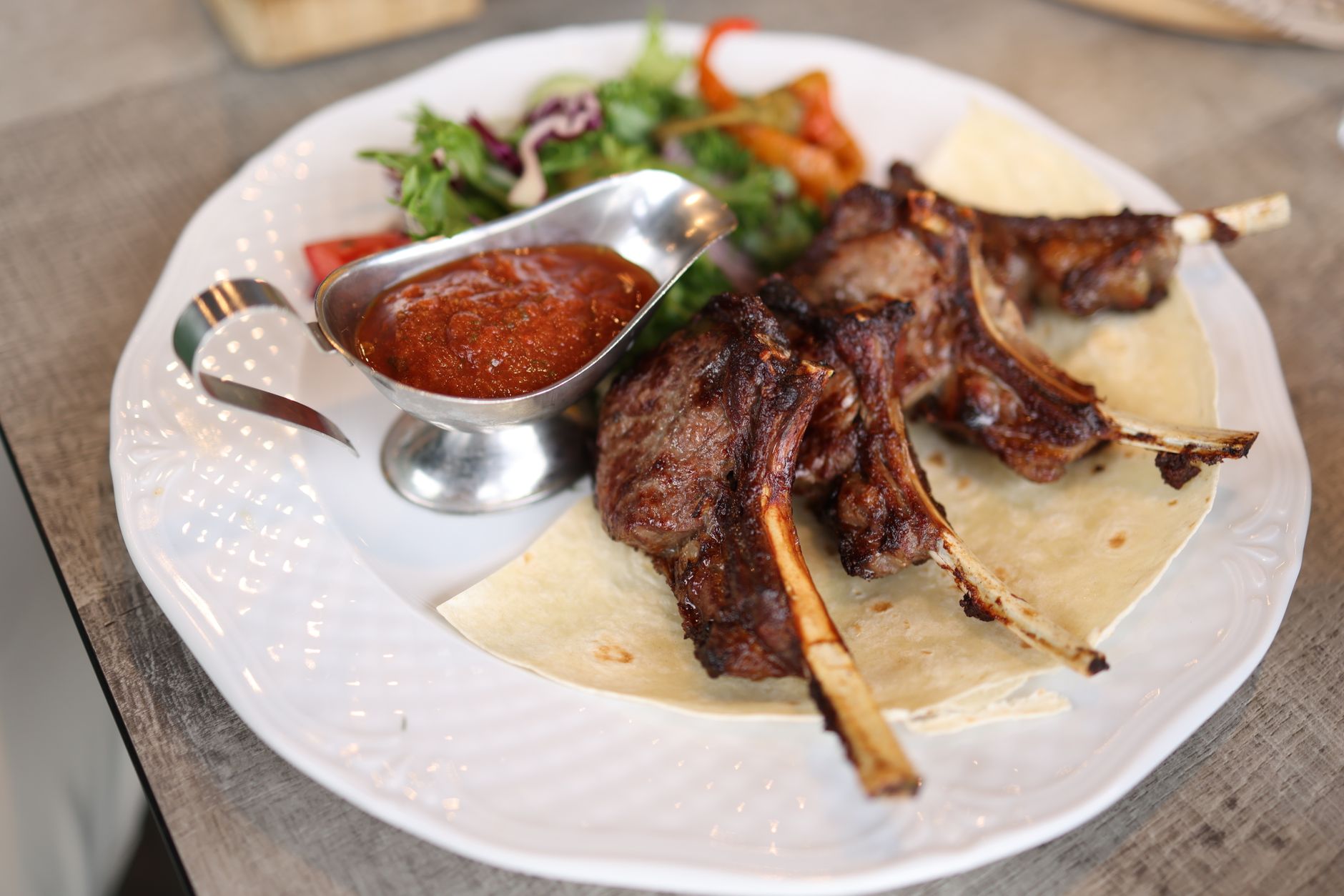
For the hot course, order the clay-pot dishes that reward a traditional kitchen: kavarma, a slow pork-and-vegetable stew, and gyuvech, its baked-vegetable cousin, both €7 to €11 and cooked in the small earthenware pot they arrive in. The grill turns out kebapche and kyufte — the minced-meat rolls and patties that anchor every Bulgarian menu — at around €1 to €1.50 each, so a mixed grill for two lands under €12. Tarator, the cold cucumber-and-yogurt soup, is the summer starter to know, and sarmi, vine leaves stuffed with rice, the winter one. Pair it all with a bottle of Bulgarian red from Melnik or a Mavrud, both under €15 in a mehana and far better value than any imported wine.
Beyond the centre: the Vitosha foothills and folklore taverns
Worth one dedicated evening is the climb to Dragalevtsi, the village suburb on the lower slopes of Vitosha about twenty-five minutes by taxi from the centre. Vodenitsata — The Watermill — is the landmark here, a restaurant built around a working waterwheel with a nightly folk-dance and music show and platters of grilled meat and spit-roast lamb at €10 to €16. It is unashamedly aimed at visitors, but the setting under the mountain earns the trip. Book ahead for the show nights, and agree the fare or insist on a metered Yellow Taxi before you set off — the ride up should run €8 to €12, not the €25 a driver idling outside a hotel will try to charge.
The other foothill option is Boyana, below the UNESCO-listed Boyana Church, where Boyansko Hanche pairs a traditional dinner with a folk-costume show in a garden setting, mains around €9 to €14; combine it with a morning at the church and the National History Museum next door and you have a full half-day out of the centre. Closer in, Chevermeto sits inside the NDK complex at the foot of Vitosha Boulevard and specialises in cheverme, whole spit-roasted lamb, with its own folklore programme — handy when you want the show without leaving the centre. All three are firmly in tourist-show territory; go for the spectacle and the setting, and keep the centre's mehanas for the meal you judge on the food alone.
Practical: booking, timing, tipping and what to skip
Book the popular centre mehanas — Manastirska Magernitsa, Pod Lipite, Moma — for Friday and Saturday evenings, when a walk-in after 8pm means a wait; midweek is relaxed. Kitchens serve late, to 11pm or midnight, and Bulgarians eat from around 8pm, so an early table is easy to get and a 9pm one is not. Tip about 10 percent in cash even where a card machine appears, and carry a few coins for the bakery and the market stalls. Bulgaria adopted the euro in January 2026, so prices are now in euros and you no longer convert lev in your head — a full traditional dinner with salad, rakia, a main and a glass of wine lands at €18 to €28 a head almost anywhere honest.
What to skip is the tourist-strip restaurant with a laminated photo menu and a tout at the door on upper Vitosha Boulevard: the shopska will be warm, the kavarma reheated, and the bill a third higher than a real mehana two streets away. Skip the restaurant folk shows entirely if you only have one night, and eat where the food is judged on its own terms — save the waterwheel and the folk band for a second visit. And do not fill up on the free bread and lyutenitsa relish before the salad arrives; the meal is built around a slow procession from cold to hot, and rushing it is the one mistake that turns a great Bulgarian dinner into just a plate of grilled meat.
Questions, answered
Where should I eat traditional Bulgarian food in central Sofia?
Manastirska Magernitsa on Han Asparuh near the Doctor's Garden for monastery recipes and the widest menu (mains €7 to €12), Pod Lipite near Borisova Gradina for the oldest and most atmospheric room (serving since 1926), and Moma on Solunska Street for a lighter modern take with a strong Bulgarian wine list. All three sit within a fifteen-minute walk of Vitosha Boulevard.
What is banitsa and where do I try it?
Banitsa is a warm filo pastry layered with egg and sirene cheese, eaten for breakfast rather than dinner. Buy it by the slice for €1 to €2 from a neighbourhood bakery — a furna — and drink it with ayran or boza. The versions sitting in restaurant display cases are a poor substitute for one fresh from a bakery oven.
How much does a traditional dinner cost in Sofia in 2026?
A full mehana dinner with a shopska salad, a rakia, a clay-pot main and a glass of Bulgarian wine runs about €18 to €28 a head. Bulgaria adopted the euro in January 2026, so prices are quoted in euros: a shopska is €4 to €6, kavarma €7 to €11 and a 50ml rakia €2 to €3.
Are the Vitosha folklore restaurants worth the trip?
For one evening, yes. Vodenitsata in Dragalevtsi and Boyansko Hanche below Boyana Church pair grilled-meat platters with live folk shows in mountain settings, mains €9 to €16, about twenty-five minutes out by taxi (€8 to €12). They are aimed at visitors, so keep the centre's mehanas for the meal you judge purely on the food.
Do I need to book, and when do restaurants serve?
Book the popular centre mehanas for Friday and Saturday nights; midweek you can usually walk in. Kitchens serve late, to 11pm or midnight, and locals eat from around 8pm. Tip about 10 percent in cash, and note that the folklore-show taverns almost always need a reservation on performance nights.
Doing good is the business: every booking through Stay Sofia funds one verified tonne of carbon removal — same room, same price, no markup.
Start your search