1. Boyana waterfall trail, Vitosha lower slopes
This is the walk that most rewards the effort. Start at the Boyana Church car park (bus 64 from Hladilnika, or taxi €7 from centre), follow signs for "Boyansko praskalo" — a 3.5km ascent through beech forest to a 15m waterfall, 90 minutes up, 60 minutes back, elevation gain 400m. The trail is marked yellow, well-maintained, no scrambling. In April-May the waterfall roars from snowmelt; in October the beech turns copper and the whole hillside glows.
The catch: after heavy rain the last 200m is slick rock. Wear proper trail shoes, not city trainers. There's a rustic hut halfway up selling tea and homemade rakia; skip the rakia if you’re descending. Combine with a morning at Boyana Church (€4) and lunch at the Vodenitsata mehana at the trailhead — game stew, €8, book weekends. Rank it one because it's a real forest walk in the city limits, and the waterfall genuinely earns the climb.
2. Borisova Gradina end-to-end
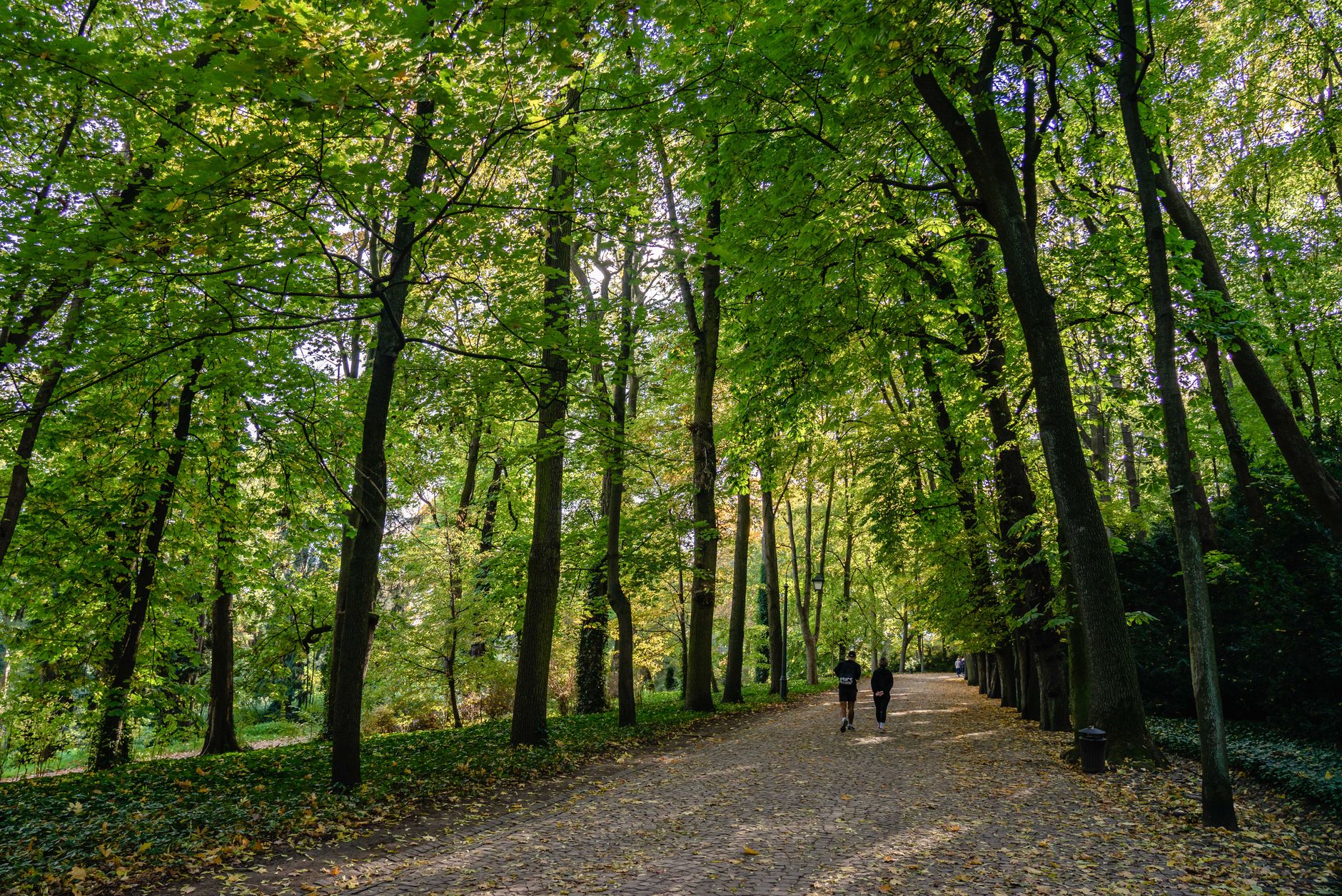
Sofia's central park is a 3km oblong of avenues, lakes and old trees between Eagles' Bridge and the Vasil Levski stadium, and walking it end to end takes 90 minutes at a slow pace. Start at Orlov Most (Eagles' Bridge) at the north end, follow the central avenue past the Ariana lake, the Ivan Vazov mausoleum, the football stadium, the observatory, and exit near the Bulgaria hotel to the south. Free, flat, entirely paved.
The strengths are the trees — some are 130 years old, planted by the Swiss gardener Daniel Neff in the 1880s — and the way the park is used: chess players by Ariana, joggers on the outer loops, teenagers on the skate ramps behind the stadium, retirees on benches. It's Sofia at its most legible. Take a coffee from the kiosk near the mausoleum. Rank it two because it's the walk that most efficiently shows you how Sofians actually live.
3. Aleko to Cherni Vrah return, Vitosha high plateau
The classic Vitosha day walk: take the Simeonovo gondola to Aleko hut (€10 return), then the red-marked trail to Cherni Vrah summit (2,290m), 2 hours up over open alpine meadow, 90 minutes back. Elevation gain 500m, moderate difficulty. In summer this is a straightforward walk in trail shoes; in winter it's a proper snow expedition requiring boots, layers and awareness of avalanche conditions on the north face.
The reward is the summit view — the whole Sofia plain, the Balkan range 80km north, Rila's snow line 60km south. Weather changes fast; check the Aleko webcam and don’t start after 14:00 if cloud is building. The Aleko canteen at the base does soup and banitsa for €4. Rank it three because it's genuinely mountain terrain and the view is Bulgaria's best from an easily reached summit — but it's a half-day out of the city.
4. Dragalevtsi to Goli Vrah via the monastery
Start at the Dragalevtsi chairlift base station (bus 64 or taxi €6), walk 25 minutes up the road to the 14th-century Dragalevtsi monastery, then take the chairlift (€8 return) from behind the monastery to Goli Vrah at 1,800m. From there, gentle marked trails wander the alpine meadows for as long as you like — an hour, three hours, doesn’t matter. Return by chairlift or walk down.
This is the walk for people who want a mountain view without the Cherni Vrah commitment. The monastery visit adds 30 minutes of frescoes and a courtyard café. The chairlift is old, slow and open to weather — bring a fleece. Combine with dinner at a Dragalevtsi mehana on the way back; Vodopada does grilled trout for €9. Rank it four because it's the best low-effort mountain half-day from Sofia, and the monastery adds cultural weight.
5. Central Sofia "yellow brick" loop
The 3.5km urban walk that covers Sofia's ceremonial core: start at Serdika metro (Roman ruins), west to Sveta Nedelya cathedral, north up Vitosha Boulevard to Slaveykov Square (book market), east to the Ivan Vazov National Theatre, north to the Russian Church and Alexander Nevsky Cathedral, west back to Largo. 90 minutes at a stroll with photo stops, or 45 minutes brisk.
Everything on the loop is described in the site's other guides so this walk is about linking them at the right pace. Do it Sunday morning before 10:00 for empty streets and low light; the yellow paving cobbles genuinely photograph best in shadow. Coffee stops: Boho on Vitosha Blvd for espresso, or Confetti on Alabin for pastry. Rank it five because you’ll walk most of this anyway during a city visit — codifying it as "a walk" is honest about how Sofia is best consumed.
6. Bankya spa town and forest park
Bankya is Sofia's outer western suburb — technically part of Sofia-Grad, physically a small spa town in its own right at the base of the Lyulin mountains. Take tram 5 to the last stop and then bus 42 (about 50 minutes total, €1), or drive 25 minutes. From the central park you walk into the Bankya forest park — 5-6km of graded paths through oak and hornbeam, mineral water taps at intervals, a small chapel at the top.
It's a genuinely underrated half-day. The town itself has a faded 1920s spa architecture (Boris III used to holiday here), a few restored villas, and thermal water at 37°C flowing from public taps. Lunch at Fusion 42 restaurant — mixed grill for €10, tables on the vine terrace. Rank it six because it's the walk that fewest tourists find, but it delivers a full change of scene without leaving Sofia-Grad.
7. Pancharevo lake shore circuit
Pancharevo is Sofia's water walk, on the far side of the city from Vitosha: a 5km reservoir on the Iskar river 15km southeast of Serdika, with a mixed-surface loop of about 12km circling the whole thing — asphalt on the south shore, gravel and dirt on the north. Get there on bus 3 or 4 towards the eastern edge and change for the metro (55-70 minutes total), or take a TaxiMe at €9-€12. Most walkers skip the full loop and do the north-shore out-and-back past the rowing clubs and the fish-and-grill terraces, roughly 4-5km of flat lakeside with the wooded slopes of Lozen mountain rising behind.
The reason to come is the air and the temperature: the water and tree cover hold Pancharevo 2-3°C below the city in July and August, and the lake genuinely photographs at golden hour from the north bank. Come in late spring or early autumn, because midsummer weekends fill with Sofians and the gravel beaches get busy. There is no urban distraction out here, so pair the walk with lunch on a shore terrace — grilled fish for two runs €22-€30 with wine. Rank it seven because the scenery beats every walk below it, but the hour each way out of town is why it doesn't rank higher.
8. South Park (Yuzhen Park) loop
South Park (Yuzhen Park) is central Sofia's other big green space — about 90 hectares of landscaped park directly south of the NDK cultural centre, with two lakes, an outdoor gym, playgrounds and a perimeter loop of roughly 4km on flat paved and gravel paths. Enter from Vitosha metro station (M2) at the northern edge, or walk 10 minutes south from NDK. It is newer and looser than Borisova Gradina and busier with everyday life than with sights — joggers and cyclists at every hour, dog walkers on the alleys, and a low-key festival feel on weekend afternoons from May through September.
Choose this over Borisova if you're staying in Lozenets or Triaditsa and want green space on the doorstep rather than a tram ride north. The southern half is quieter and less manicured, good for a 40-minute loop before breakfast; the northern end near NDK has the cafés and the crowds. There is no view or destination to earn here, so treat it as exercise and people-watching rather than a walk with a payoff at the end. Bring bread for the ducks on the lakes. Rank it eight because it's the most convenient big park for south-central stays, but it lacks the drama that carries the walks above it.
Questions, answered
Which of these need proper hiking gear?
Aleko to Cherni Vrah needs trail shoes and layers year-round, full winter kit November-April. The Boyana waterfall trail needs trail shoes after rain but is fine in trainers when dry. Goli Vrah via chairlift needs only a fleece. Borisova Gradina, the yellow brick loop and Bankya forest park need no more than comfortable walking shoes.
Are trails marked in English?
Trail waymarks use the standard European colour system (red, blue, yellow, green) which is language-neutral. Text signposts are mostly Bulgarian, sometimes with English on the main Vitosha routes. Screenshot the Maps.me offline trail map before you start — it covers Vitosha's marked trails better than Google Maps does.
Is Vitosha safe from bears and wolves?
Bears occasionally pass through Vitosha but are not resident, and there have been no bear-hiker incidents in the last decade. Stray dogs at trailheads and around Aleko are more of a real concern — carry a stick and don’t feed them. The bigger risk is weather: sudden fog and thunderstorms above 1,800m from June to September.
Which of these walks work without a car?
All of them. Borisova Gradina, South Park and the yellow-brick loop are in the city and reached on foot or by metro. Boyana, Dragalevtsi and Aleko go by bus 64 from Hladilnika or the two gondolas; Bankya is tram 5 plus bus 42; Pancharevo is bus 3 or 4. None of them requires renting a car.
What is the best season for walking around Sofia?
Late April to mid-June and September to late October are ideal — 15-25°C, dry trails and copper beech on Vitosha through October. July and August work in the city parks and at altitude, but the low streets hit 30-35°C by midday. November to March turns the high Vitosha routes into snow walks needing proper winter kit.
Doing good is the business: every booking through Stay Sofia funds one verified tonne of carbon removal — same room, same price, no markup.
Start your search