Hotels in Sofia-Grad
For a first visit, base yourself in Sredets or Oborishte — this is the centre, walking distance to the Alexander Nevsky Cathedral, the Sveta Nedelya Church, the Rotunda of St George and the yellow-brick streets around the Presidency. Vazrazhdane and Serdika sit either side of Sofia Central Station and are cheaper by roughly 20-30 leva a night, useful if you are arriving late by train from Plovdiv or Belgrade. Triaditsa and Lozenets are quieter, leafier and closer to the restaurants along Shishman and Solunska streets, with mid-range rooms typically €45-70.
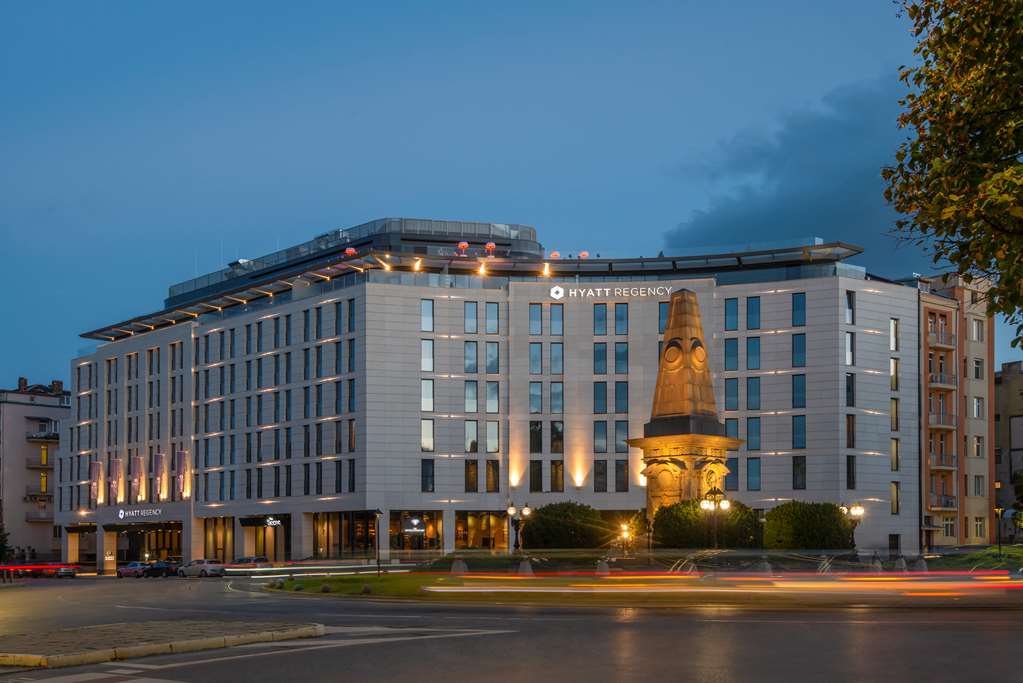
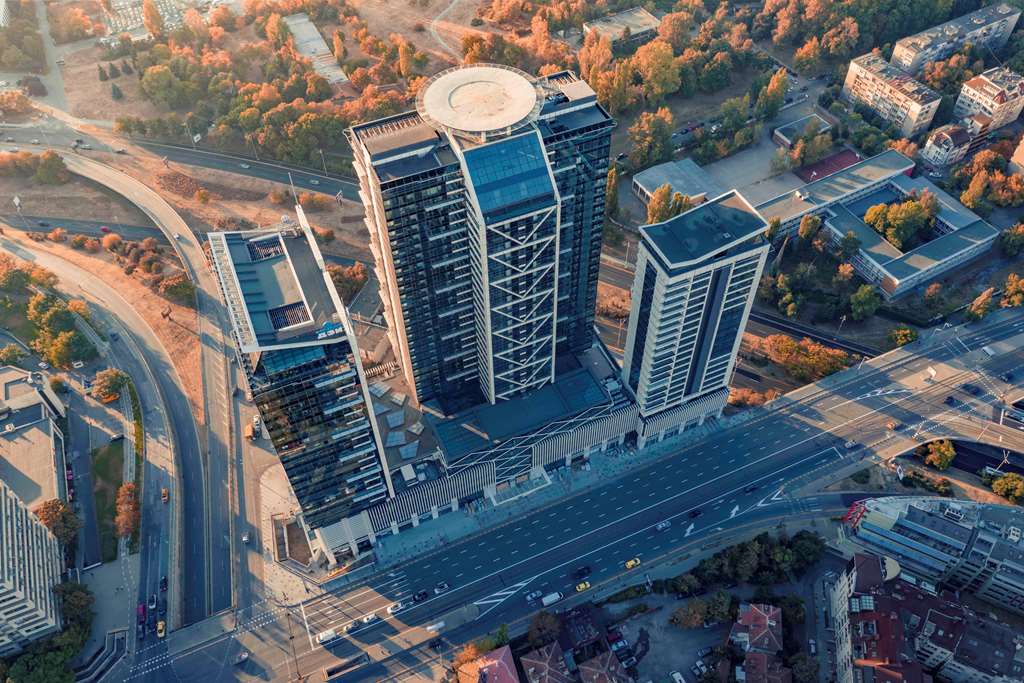
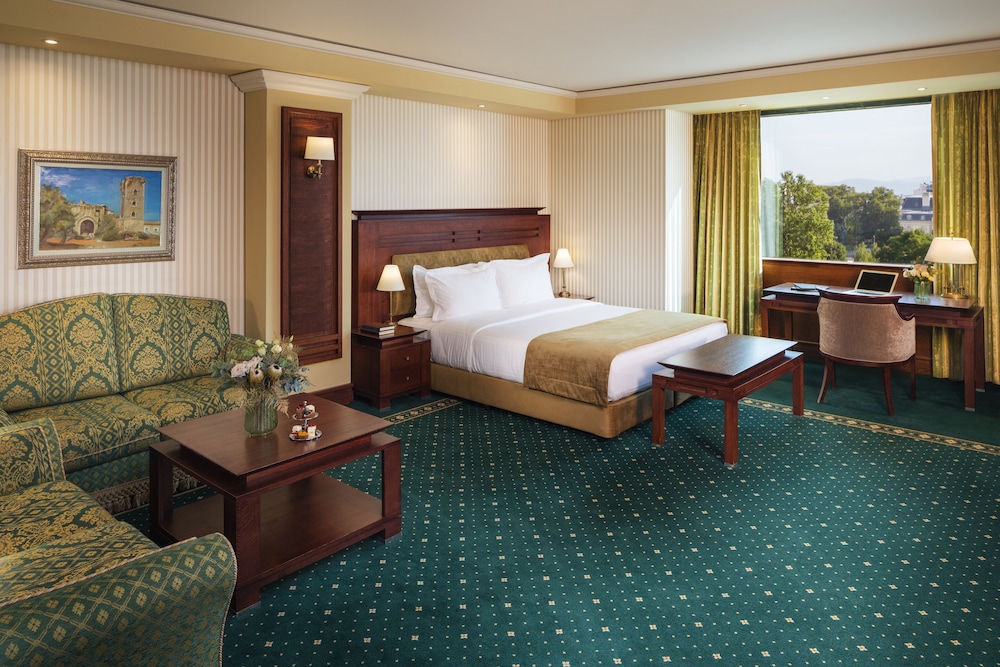
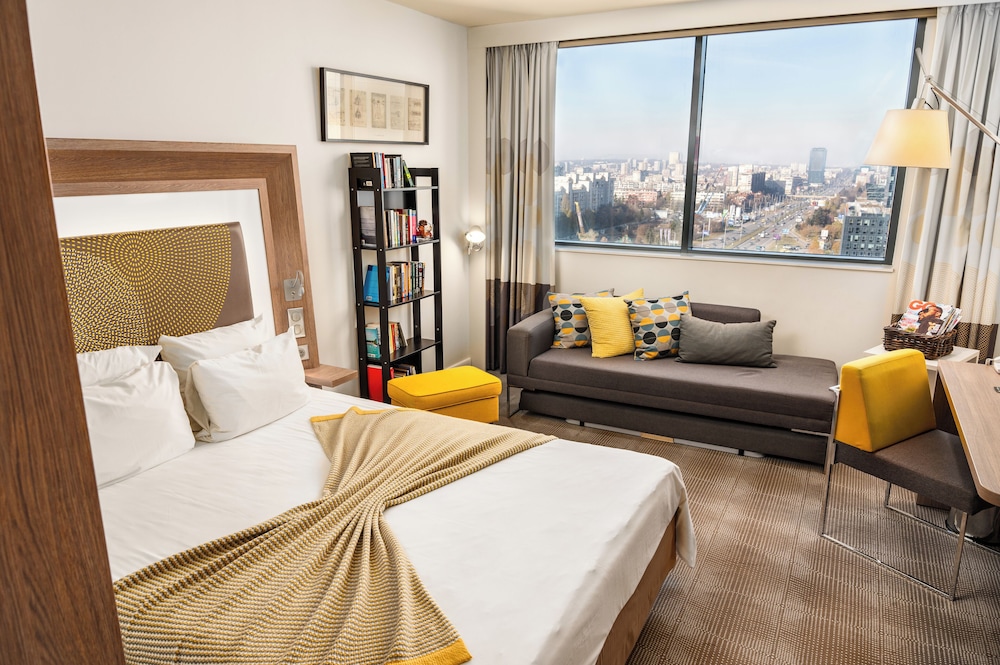
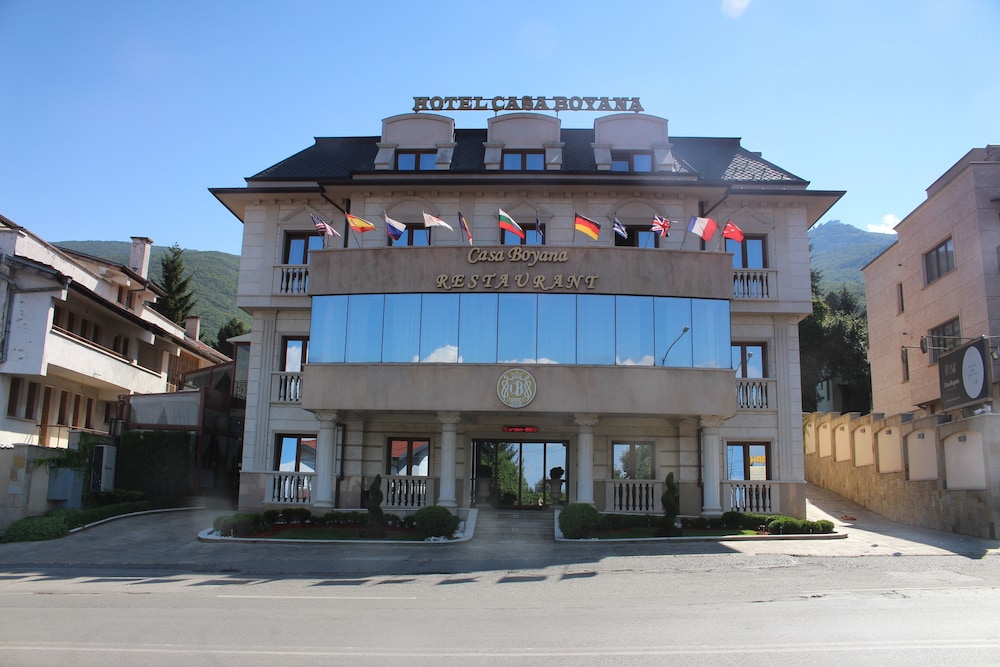
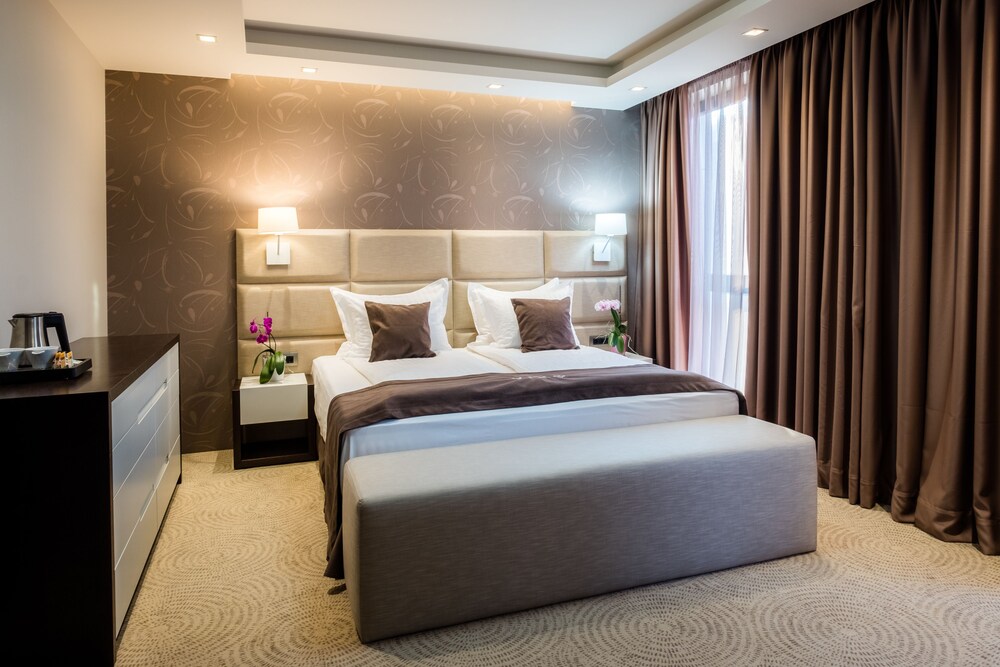
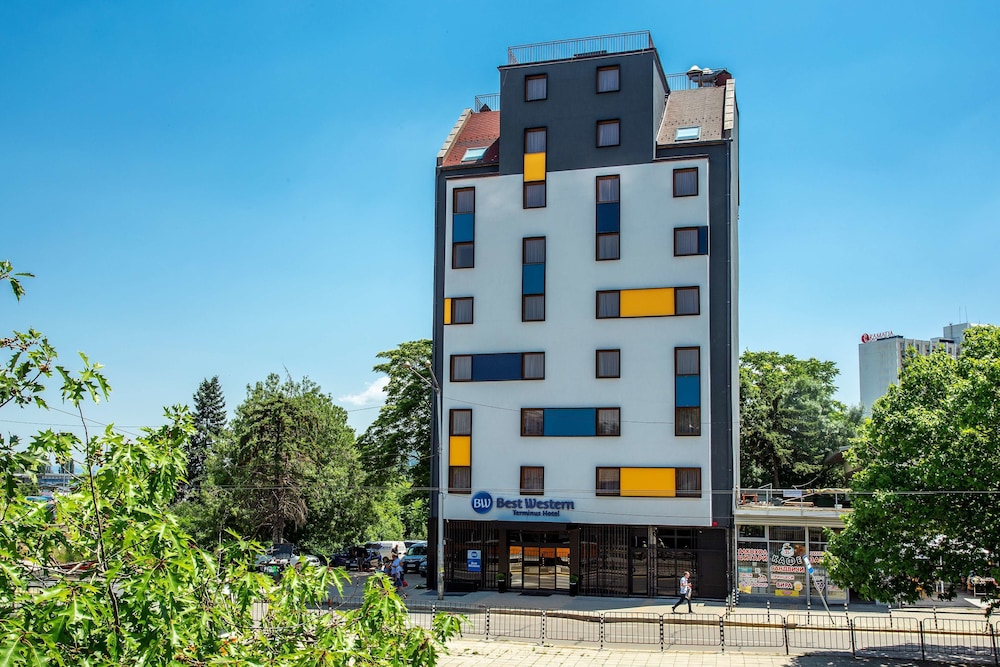
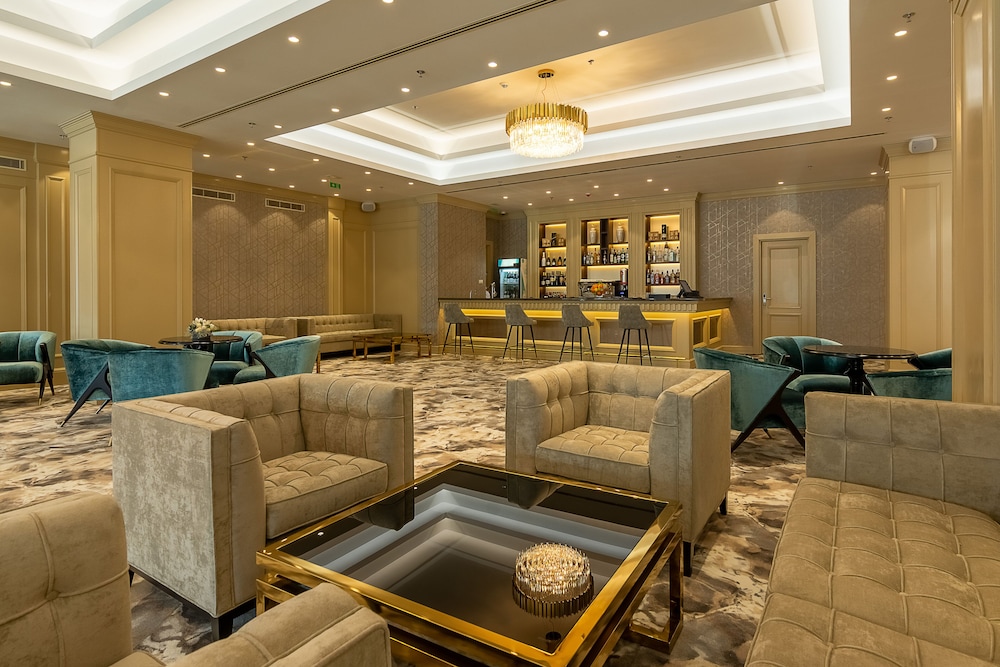
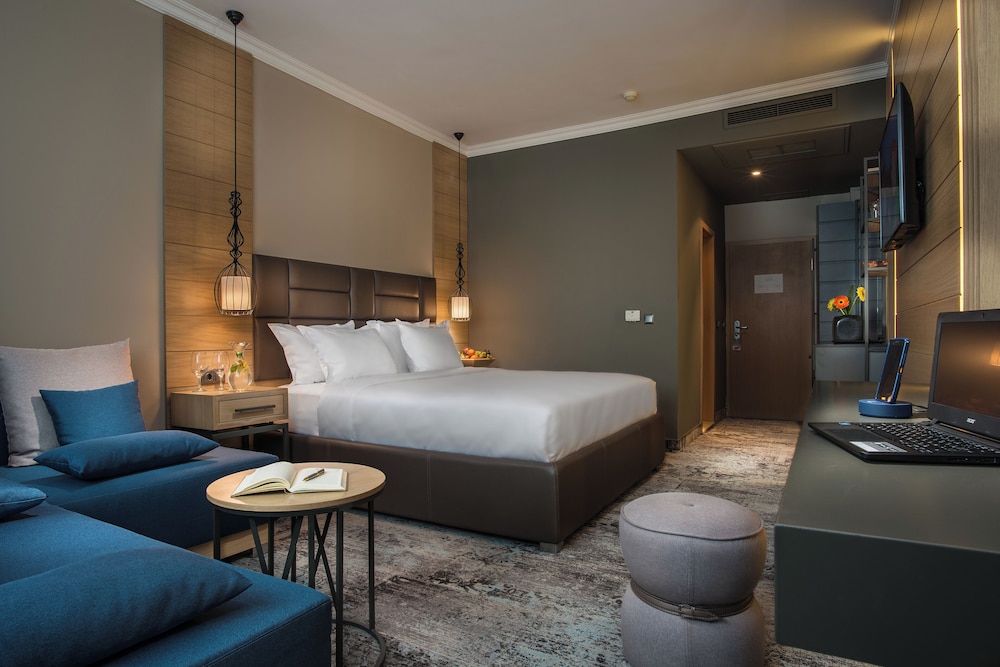
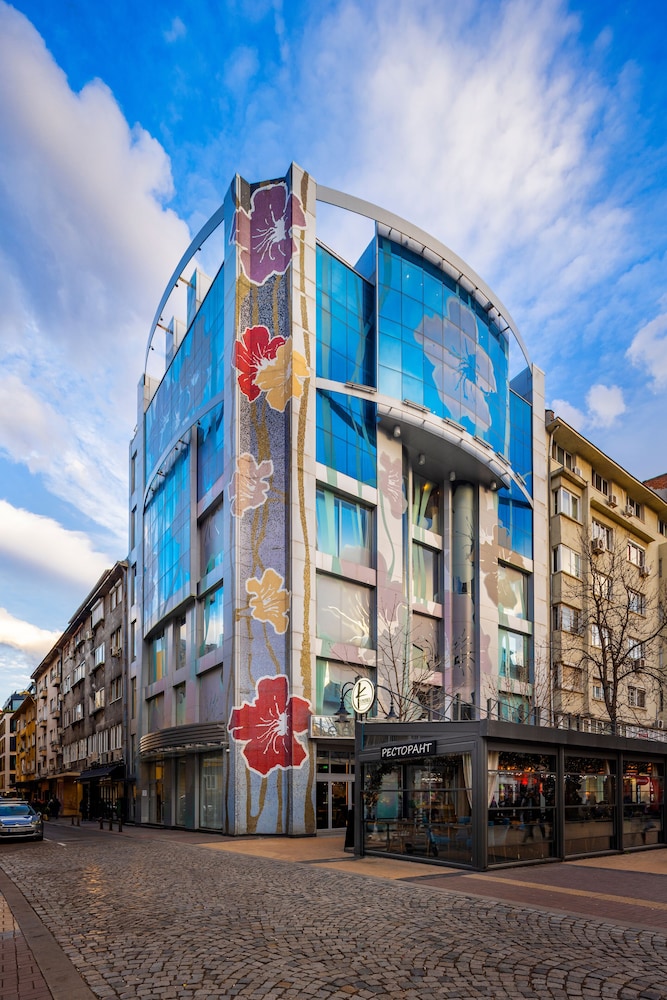
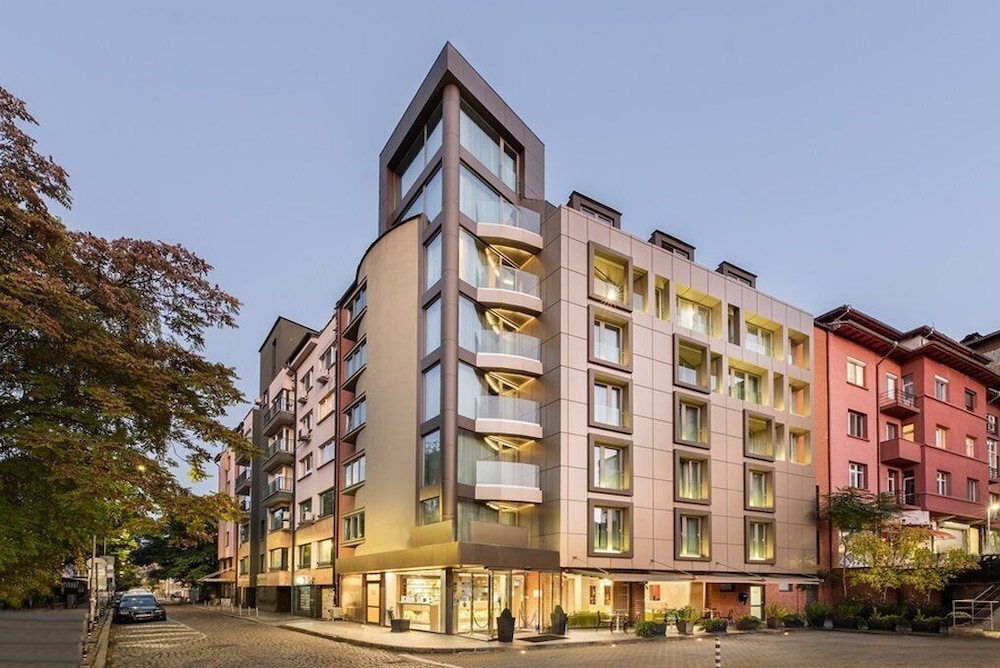
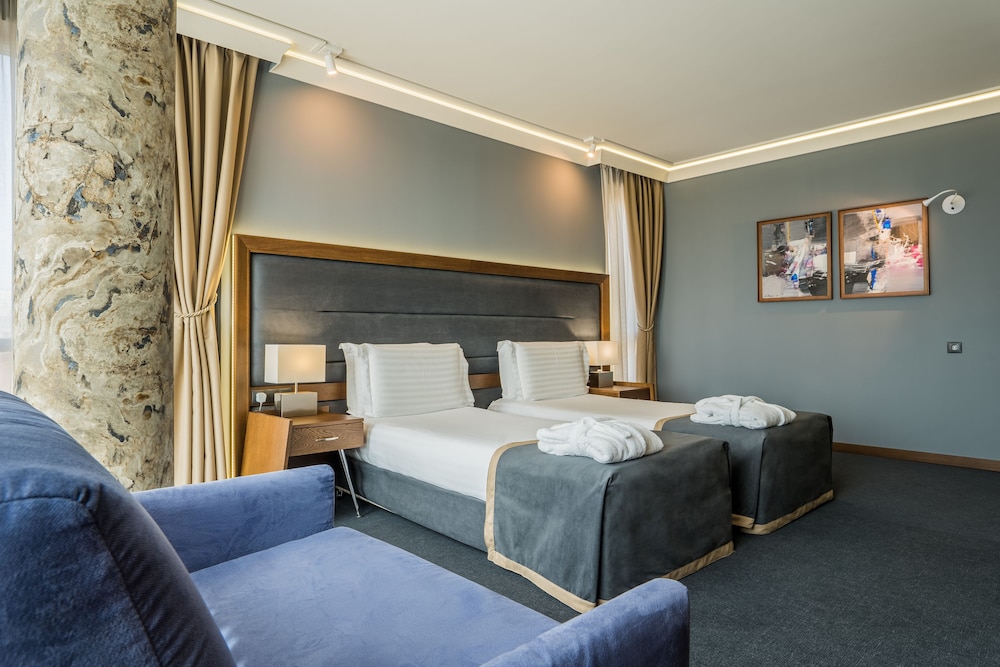
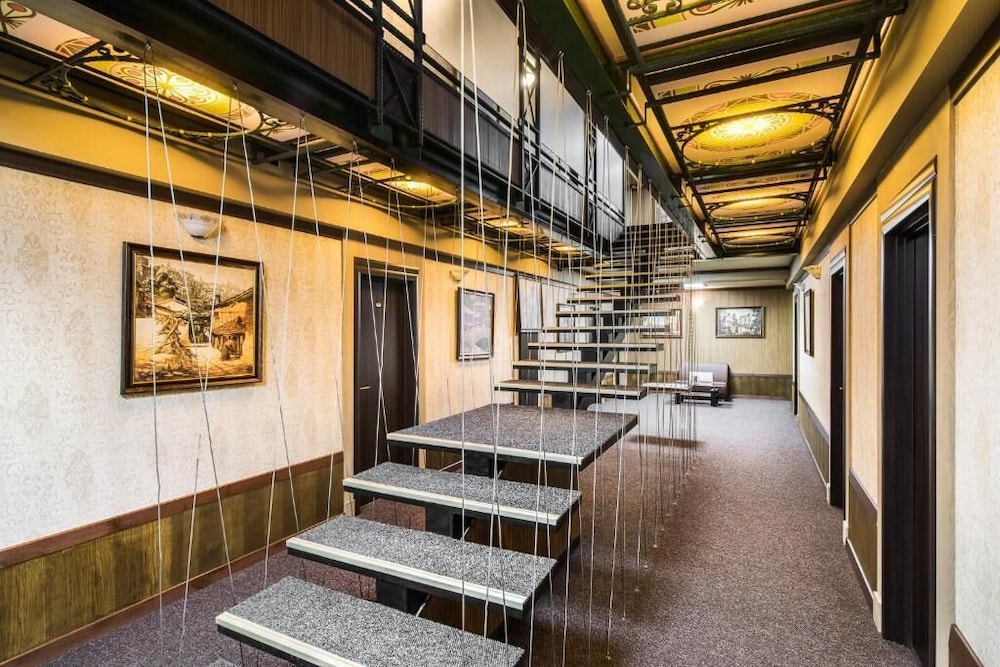
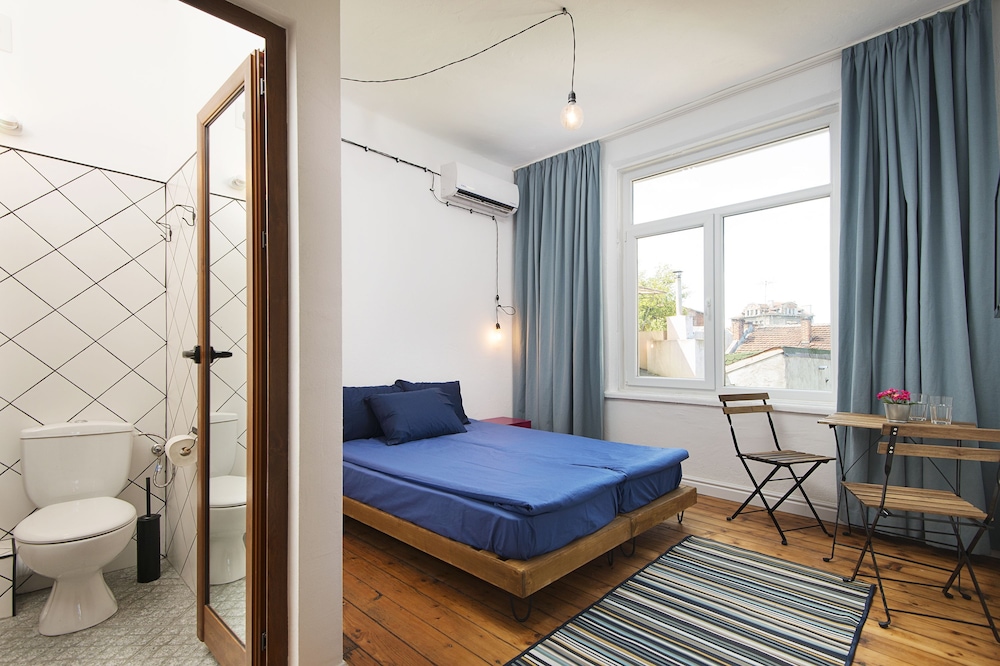
Where to stay in Sofia-Grad: which area suits which trip
For a first visit, base yourself in Sredets or Oborishte — this is the centre, walking distance to the Alexander Nevsky Cathedral, the Sveta Nedelya Church, the Rotunda of St George and the yellow-brick streets around the Presidency. Vazrazhdane and Serdika sit either side of Sofia Central Station and are cheaper by roughly 20-30 leva a night, useful if you are arriving late by train from Plovdiv or Belgrade. Triaditsa and Lozenets are quieter, leafier and closer to the restaurants along Shishman and Solunska streets, with mid-range rooms typically €45-70.
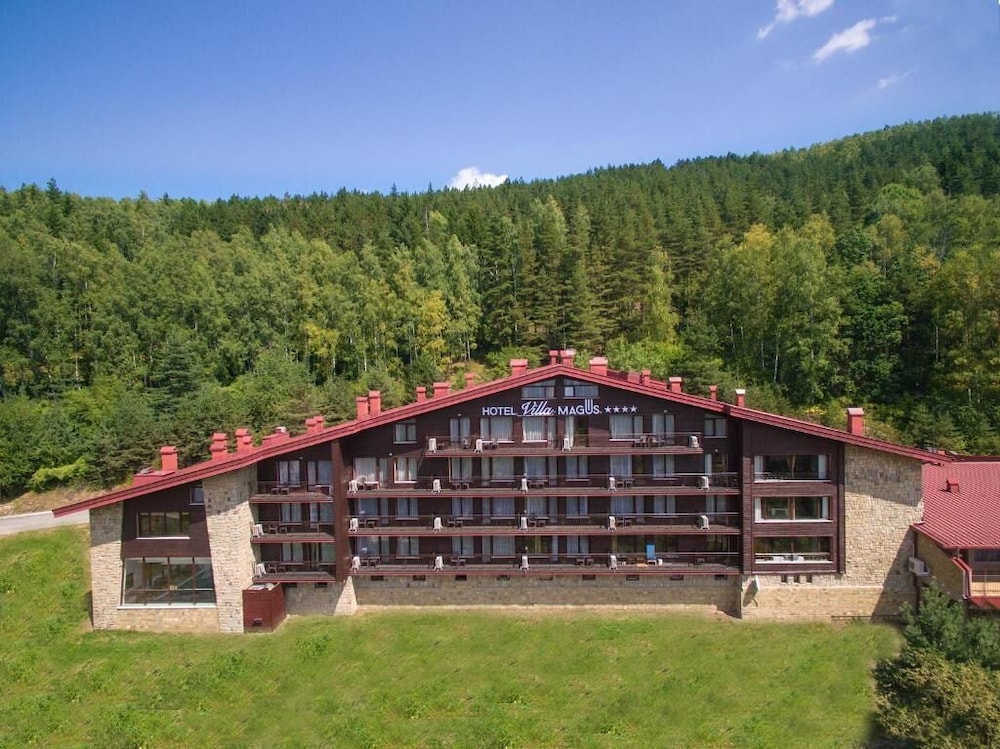
Further out, Boyana and Dragalevtsi sit at the foot of Vitosha and suit anyone visiting the Boyana Church (a UNESCO site) or planning to hike; expect to need a taxi or the 64 or 66 bus into town. Bankya is a spa suburb 17 km west with mineral water hotels, Pancharevo sits by the lake southeast, and Studentski Grad is cheap but student-loud. Skip Lyulin and Nadezhda unless price is the only factor — they are safe but a metro ride from anything you came to see.
Best time to visit Sofia and what it does to hotel prices
May, June and September are the sweet spot: 20-27°C, the Vitosha slopes still green, and mid-range rooms around €50-80. July and August are hot (often 32°C in the centre) and locals leave for the Black Sea, so city hotel rates actually soften by 10-15%, though Bankya and Pancharevo fill up with domestic weekenders. December through March is ski season on Vitosha — Aleko and Dragalevtsi lifts pull weekend demand, and hotels in Simeonovo and Dragalevtsi charge 20-40% more Friday to Sunday.
Watch the religious calendar if you are here for the cathedrals: Orthodox Easter (a week later than Western Easter in most years) and 24 May, the feast of Cyril and Methodius, both push central hotel prices up and fill Alexander Nevsky and the Rila Monastery day-trip buses. Early January is the cheapest week in the city — post-New Year, pre-ski-peak — with three-star doubles occasionally under €35.
Getting around Sofia-Grad from the airport and between areas
Metro Line 1 runs from Sofia Airport Terminal 2 to Serdika in about 20 minutes for €0.80 — this is the answer for most arrivals, and it beats the taxi queue outside T1. Within the centre, Sredets to Vazrazhdane to Serdika is 15 minutes on foot; the metro connects Mladost, Lyulin and Obelya to the middle in under 25 minutes. Trams 5 and 22 handle the Sofia University to Knyazhevo axis, and buses 64, 66 and 93 run up to Boyana, Dragalevtsi and Simeonovo.
You do not need a car for a city trip. You do want one for Bankya (17 km), Pancharevo lake (14 km), the Boyana Church combined with the National History Museum, or a Rila Monastery day (117 km south). Central parking is metered in blue and green zones — €1 and €0.50 an hour respectively — and enforcement by SMS ticket is real, so ask the hotel about a garage before you drive in.
How many nights in Sofia and a sensible first-timer plan
Three nights is the honest minimum and four is better. Day one covers the compact centre on foot: Sveta Nedelya, the Serdica ruins under the metro, Banya Bashi Mosque, the Central Market Hall, Sveta Sofia and Alexander Nevsky, ending at Sofia University. Day two is Boyana Church plus the National History Museum in Boyana (both ticket €6 combined), then the cable car from Simeonovo up Vitosha if the weather holds.
Add a third day for Rila Monastery — it is a long 240 km round trip but the frescoes are the reason many pilgrims come to Bulgaria in the first place. A fourth night lets you slow down: Zhenski Pazar market, the antique stalls behind Alexander Nevsky on a Sunday, or the mineral baths at Bankya. Five nights only makes sense if you are pairing Sofia with Plovdiv (two hours by train) rather than staying put.
What Sofia hotels actually cost by standard
Budget under €45 gets you a clean private room in a guesthouse or two-star in Vazrazhdane, Serdika or Studentski Grad, usually with breakfast and shared or compact private bathroom. The €45-90 band is where most three-star hotels in Sredets, Oborishte and Lozenets sit — proper double, small buffet breakfast, walkable to the cathedral. Above €100 you are into four-star territory around Vitosha Boulevard and NDK, and the handful of five-stars (Grand Hotel Sofia, Sense, InterContinental) start around €180.
Rates spike three times a year: the Orthodox Easter weekend, the week of 24 May, and any weekend Vitosha has fresh snow. September also gets a business bump from conferences at Inter Expo Center in Tsarigradsko Shose. Booking two weeks ahead is fine outside those windows; for Easter or a snow weekend in Dragalevtsi, book a month out.
The Boyana problem: why the church nobody skips is the one that trips people up
The Boyana Church admits eight visitors at a time for ten minutes, and in July and August the last morning slot often sells out by 10am. If your only reason to stay in Boyana or Dragalevtsi is that church, understand that a hotel in Sredets plus a 15-minute taxi (around €6) gets you there just as well, and you sleep closer to dinner. The Rila Monastery, similarly, is a full day from Sofia — do not book a hotel in Blagoevgrad thinking you are saving time; the day tours all leave from central Sofia at 8-9am.
The season people underestimate is late autumn. Sofia in November is grey and 8°C, but hotel rates drop to their lowest of the year, the Vitosha larch forests turn gold, and the churches — Alexander Nevsky, Sveta Sofia, the Russian Church, Boyana — are empty of coach groups. If you are here for the religious sites rather than the café terraces, this is quietly the best month.