Spiritual Sites
Boyana Church
A tiny UNESCO-listed medieval church whose 1259 frescoes are considered one of the most important works of Eastern European art from the Middle Ages.
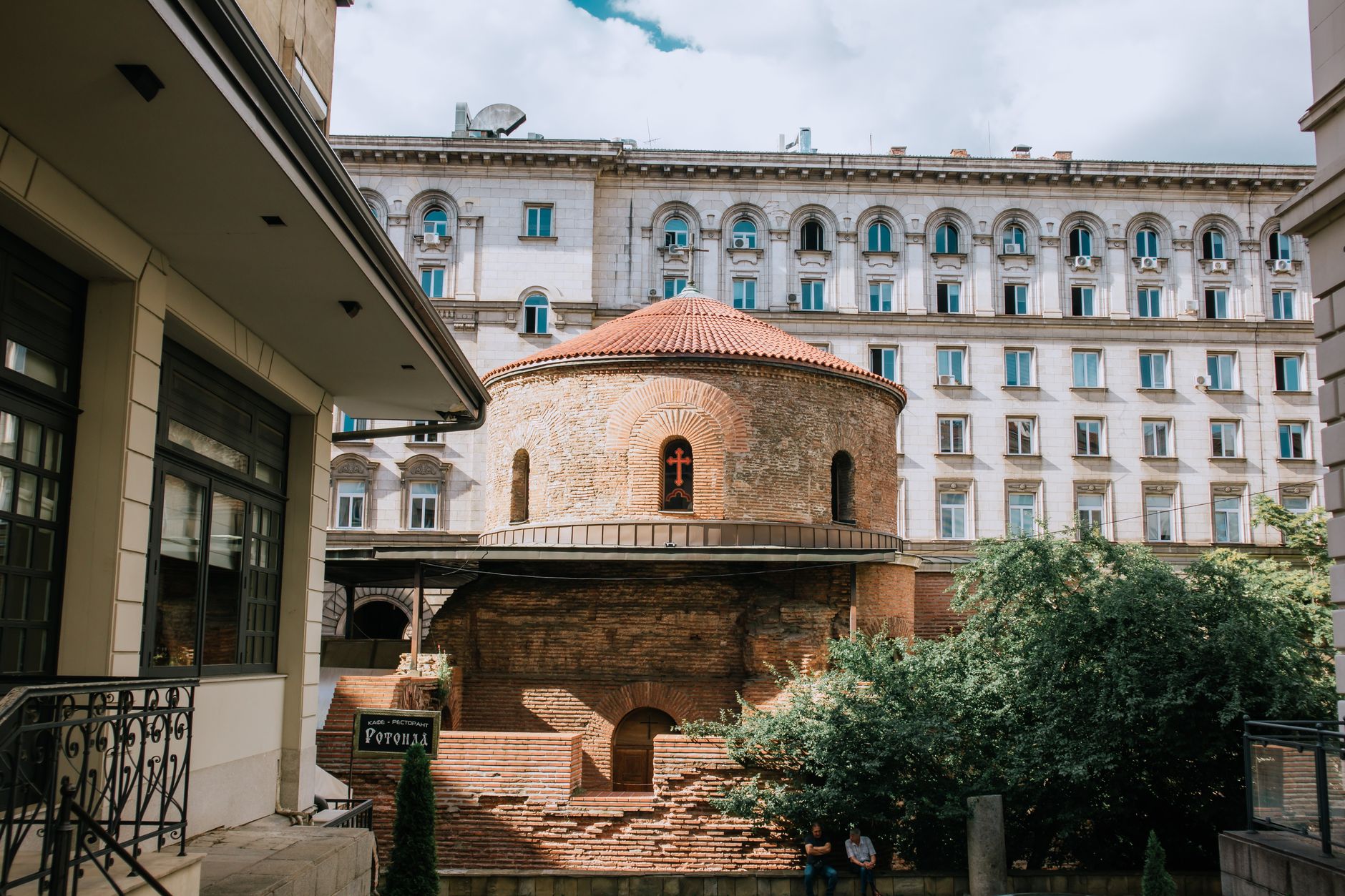
Boyana Church is small enough to walk around in a minute and old enough to have been standing before England had a parliament. The oldest part dates from the late 10th century; a second church was added in the 13th; a third in the 19th. What makes it a UNESCO World Heritage site is the 1259 fresco cycle inside the second church — 89 scenes, 240 figures, painted by an anonymous master whose realism, individual faces and emotional weight anticipate the Italian Renaissance by nearly a hundred years. UNESCO inscribed it in 1979, in the same early wave as the Rila Monastery. The church is dedicated to St Nicholas and St Panteleimon, and conservators have identified earlier painting from the 11th and 12th centuries beneath the famous layer, so the walls carry at least three campaigns stacked on one another. Come for 1259; treat everything else as context.
Visits are strictly controlled to protect the pigments: groups of maximum eight people, ten minutes inside, no photography, and the humidity is monitored constantly. You wait outside in a small garden of fir trees at the foot of Vitosha, then a guide unlocks the heavy door and you step into a space barely five metres across. The famous portraits of donor Sebastocrator Kaloyan and his wife Desislava are on the north wall — she in a red cloak with an unforgettable direct gaze. Christ, saints and gospel scenes cover every remaining surface. The whitewashed 19th-century western extension you pass through first is almost bare; built in 1882 with money raised in the village, it buffers the old work rather than adds to it. Inside there are no wall panels and no floodlighting, only small windows and low lamps, so pick two or three things to hunt for before the door opens.
Book online at boyanachurch.org to guarantee a slot, especially April to October when tour buses arrive. Combine with the National History Museum, a 15-minute walk uphill through Boyana's leafy streets — a joint ticket saves €3. Come in the morning to avoid afternoon coach parties. The village of Boyana itself, with a scattering of small guesthouses under €43 a night, makes a quieter base than central Sofia if you want walks up Vitosha from the door. Slots are released up to 30 days ahead, and the ticket booth sits just inside the gate on Boyansko Ezero Street, so walk-ups still work from November to March when most days have space. Arrive ten minutes before your time: groups are called on the dot, the guide locks the door behind them, and a late arrival simply loses the booking.
Getting here without a car is straightforward. Take Metro Line 2 south to Vitosha station at Hladilnika — about 12 minutes from Serdika in the middle of Sofia — then bus 64 from the Hladilnika terminal, which climbs into Boyana and stops at Boyanska tsarkva, five minutes uphill from the gate. Bus 107 serves Boyana too but drops you lower down the hill, so 64 is the one to wait for. A single ride on metro or bus costs about €0.80 and a one-day card about €2; the whole trip from the centre runs 40 to 50 minutes. A taxi from the city centre is €8 to €10 and takes 20 to 25 minutes off peak. If you drive, the lanes around the church are narrow with only a handful of free roadside spaces that fill by mid-morning in summer — park lower in the village and walk up.
Costs are simple and the ticket desk is the only place you will spend money. Adults pay €9, students €2 with ID, and the combined ticket with the National History Museum is €11 rather than €14 bought separately — worth it if you have half a day, pointless if you are only here for the frescoes. Nothing inside is extra: there is no audio guide to decline, no photo permit to buy, because photography is banned outright, and the staff guide's short commentary is included in the price. A small counter by the entrance sells fresco albums and postcards from around €1. Organised half-day tours picked up from central hotels typically charge €40 or more per person for the same ten minutes plus the museum, so unless you want the driving done for you, bus 64 does the job for pocket change.
Timing matters more here than at most sights because capacity is eight people at a time. The first hour after opening — 9:30 in summer, 9:00 in winter — is the reliable quiet window, and the day's first groups get cool, settled air and the best raking light through the small windows. Coach parties concentrate between 11:00 and 15:00, when unbooked visitors in July and August can wait 45 to 60 minutes for a gap. Late afternoon empties out again, but in winter the interior is genuinely dim by 16:00 and closing is 17:30. May, June and late September are the best months: the garden is green, Vitosha is walkable afterwards, and the crowds are manageable. The church opens every day of the year, so a Monday, when much of Sofia's museum scene shuts, is a good choice.
It suits anyone with an interest in medieval painting, and it rewards fifteen minutes of reading beforehand more than almost any other site in the city. Children under about ten tend to lose interest fast — ten minutes standing still in a dark, unheated room with no touching and no photos is a hard sell — while teenagers who have been told what to look for usually come out impressed. Access is awkward for wheelchair users: the garden path is gravel and slightly sloped, the doorway into the medieval church is low and narrow, and there is a step at the threshold, so contact the staff before booking. Skip it if you have only an hour before a train, because travel alone eats 90 minutes return. On a rainy afternoon, book it with the National History Museum rather than on its own.
The obvious pairing is the National History Museum, 15 minutes uphill on foot in the former state residence at Boyana, where you need 90 minutes to two hours to do the Thracian gold justice — the combined ticket exists precisely because most people do both. From the church, marked trails follow the Boyana river up into Vitosha Nature Park to the Boyana Waterfall, roughly an hour and three quarters of steady climbing each way and at its best during spring snowmelt. Dragalevtsi, with its 14th-century monastery and the chairlift up the mountain, is a short bus or taxi ride east. If you would rather sleep out here than in the centre, Casa Boyana Boutique Hotel and Hotel Villa Boyana both put you within walking distance of the gate and the trailheads.
The honest caveats: you are paying €9 for ten minutes, which is a steep rate per minute and catches people out, so go knowing the arithmetic. Many arrive expecting a hilltop monastery with sweeping views and find a walled garden wedged between village houses, with no panorama at all. The reproductions of Desislava plastered across Sofia's souvenir shops make her look monumental; on the wall she is one figure among many, roughly life-size, in a crowded register. The 19th-century outer church holds nothing you need to study. The no-photography rule is absolute and enforced, so leave the phone in a pocket rather than argue. And guides move groups along briskly — if you want to stand and look at one wall for three of your ten minutes, say so at the door and you will usually be left alone.
Hours & entry
Not free
Nov-Mar daily 9:00-17:30 · Apr-Oct daily 9:30-18:00 · Last entry 30 min before closing
What to see
Fresco of Sebastocrator Kaloyan and Desislava, 1259 — North wall of the second (middle) church
Christ Pantocrator in the dome — Central dome of the eastern church
Last Supper with Bulgarian bread and garlic — West wall, upper register of the middle church
Tips from the ground
Book the 10:00 slot online — the first group of the day gets the freshest air and best light through the small windows.
The combined ticket with the National History Museum is €11 instead of €14 bought separately.
Bus 64 from Hladilnika metro stops closer than bus 107; ask for spirka Boyanska tsarkva.
Questions, answered
How much is a ticket to Boyana Church?
€9 for adults, €2 for students. A combined ticket with the National History Museum is €11. That saves €3 against buying both separately at €14, and it stays valid the same day for the museum 15 minutes uphill. Nothing inside costs extra — there is no audio guide and no photo permit, since photography is banned — and the staff guide's short commentary is included. Postcards and fresco albums at the entrance counter start around €1. Organised half-day tours from central hotels charge €40 or more for the same ten minutes.
Is there a free entry day?
No — Boyana Church has no free admission days because of conservation costs. Humidity and temperature are monitored continuously, groups are capped at eight, visits last ten minutes and a member of staff accompanies every entry, all of which the €9 ticket pays for. The €2 student rate with ID is the cheapest way in. From the lane outside you can see the stone apses and tiled roofs over the wall for nothing, but the garden and the frescoes both sit behind the ticket gate, and no season or holiday changes that.
How long is the visit?
You spend exactly 10 minutes inside the frescoed church, plus about 20 minutes for the exterior and garden — around 45 minutes in total. Slots run every ten to fifteen minutes and you should arrive ten minutes before yours, because groups are called on time and late arrivals lose the place. Add 40 to 50 minutes of travel each way from central Sofia. If you take the combined ticket, budget a half day: the National History Museum needs 90 minutes to two hours on top, plus the 15-minute walk uphill between them.
What days is Boyana Church closed?
It is open every day of the year, though hours shorten in winter (9:00-17:30 November to March). April to October it runs 9:30 to 18:00, and last entry is 30 minutes before closing in both seasons. That makes it a useful Monday option when much of Sofia's museum scene is shut. In practice the desk stops selling once the day's remaining slots are gone, so late afternoon arrivals in summer can be turned away even before the official cut-off. In winter the interior is noticeably dim after about 16:00.
Should I book in advance?
Yes, in high season (April-October). Book on boyanachurch.org up to 30 days ahead; slots are 10 minutes for groups of 8. Bring the confirmation on your phone and arrive ten minutes early. From November to March most days have space and walking up without a booking usually costs you nothing more than a short wait for the next group. In July and August, unbooked visitors arriving between 11:00 and 15:00 have waited 45 to 60 minutes, which is longer than the visit itself.
How do I get there by public transport?
Take Metro Line 2 to Vitosha or James Bourchier, then bus 64 from Hladilnika to the Boyanska tsarkva stop. The metro leg is about 12 minutes from Serdika, the bus another 20, and the stop is a five-minute uphill walk from the gate — roughly 45 minutes door to door. A single ticket costs about €0.80, a one-day card about €2. Bus 107 also serves Boyana but stops further down the hill. A taxi from the centre is €8 to €10; roadside parking near the church is free but very limited.
Doing good is the business: every booking through Stay Sofia funds one verified tonne of carbon removal — same room, same price, no markup.
Start your search