Spiritual Sites
German Monastery of St. John of Rila
A tenth-century Sofia monastery where St. John of Rila lived as a hermit before founding his famous Rila Monastery to the south.
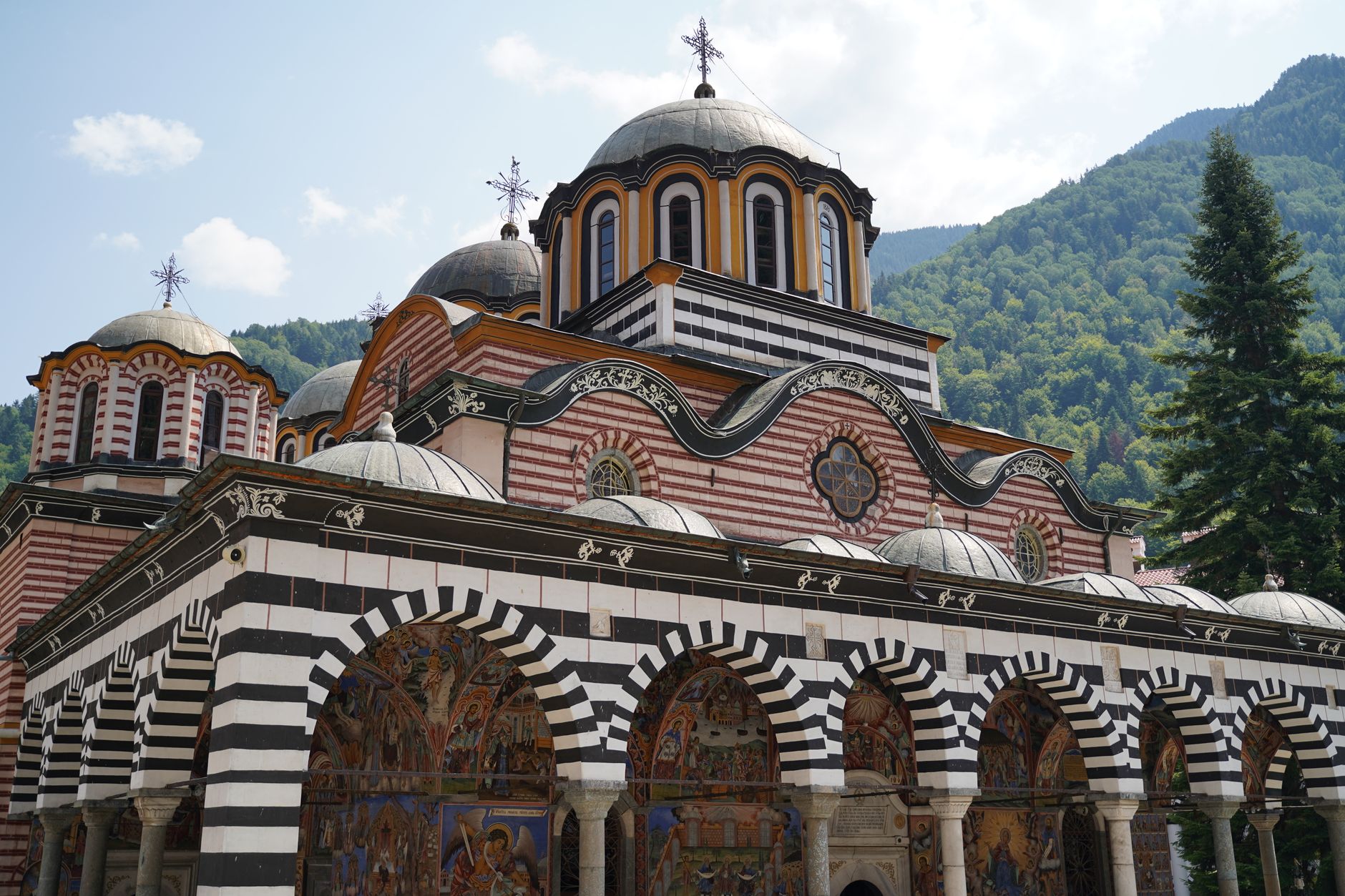
The German Monastery is one of the oldest religious sites in the Sofia region. Founded in the 10th century, tradition holds it was here that St. John of Rila — Bulgaria's patron saint — lived as a hermit before withdrawing further south to found his more famous Rila Monastery. Destroyed by the Ottomans in the 16th century, rebuilt in 1818 and again in 1888 after another fire, the current compound is Bulgarian Revival architecture: white stone, oak beams, wooden verandahs, and a central church whose small size belies its historical weight.
The setting is what most visitors remember. The monastery sits in a green amphitheatre in the Lozenska Planina foothills, twelve kilometres southeast of central Sofia, near the German village that gives it its name (nothing to do with Germany — from the Bulgarian Slavic root). Pear and walnut trees, a running stream, benches for pilgrims. Inside the church, the iconostasis is 19th century and the frescoes 20th, but the wooden ceiling of the porch is original 1888 painting worth studying. A small konak (guesthouse) offers Sofia's most peaceful weekend lunch — bean soup, grilled trout, homemade rakia — for around €10 a head.
This is a full half-day trip and best combined with a walk in the surrounding hills or a visit to Pancharevo Lake for a swim in summer. Take bus 5 from Pancharevo to the German village then walk 25 minutes uphill on a signposted path. Autumn is spectacular — the whole valley turns orange. The monastery has a few guest rooms available for pilgrims for around €17 a night, one of the cheapest and most memorable stays in the Sofia region if you can get in touch through the church.
The visit itself is short and unstructured, which is part of the point. You come through a low gate into a walled courtyard of maybe forty paces across, with the church in the middle and two-storey residential wings on the north and west sides, their verandahs hung with drying peppers in September. The church takes fifteen to twenty minutes: stand under the porch first for the painted 1888 ceiling, then go in for the iconostasis and the candle stand, where thin beeswax candles cost small change dropped into the box beside them. Behind the compound a signposted path climbs ten minutes to the marker for St. John of Rila's hermitage. Allow another half hour to sit by the stream. Dress modestly — covered shoulders and knees — and bring cash, because neither the church shop nor the konak runs a card machine and there is no ATM in German village.
Getting there is the only fiddly part of the day. From central Sofia take bus 5 or 505 out to Pancharevo, then change for the German village service; the last leg is a 25-minute walk uphill on a signposted lane through the village, gaining perhaps eighty metres of altitude on a surface that is asphalt for half of it and dirt for the rest. A single urban ticket costs about €0.80 and a day card about €2, which covers the whole return trip including the change. Allow 45 to 60 minutes each way and do not plan around tight connections, because the village buses are infrequent. Driving is far simpler: twelve kilometres by the Pancharevo road, 25 to 35 minutes outside rush hour, with cars left on the verge below the compound. A taxi from the centre runs €10 to €14 one way — worth it if there are two or three of you.
Costs are almost nothing, and that is the honest headline. Entry is free, there is no ticket office, no audio guide and no paid tour on site; a donation box near the candles takes whatever you feel like leaving, and a euro or two is normal. Weekend lunch at the konak is around €10 a head for three courses, or €3 for the bean soup with hot pepper and homemade bread if you only want one dish. Rakia and wine are a couple of euros a glass. Pilgrim rooms, when free, are about €17 a night. Add roughly €1.60 for return bus tickets and a realistic full day here costs under €20 per person, lunch included. Skip the organised Sofia day tours that bundle German with Boyana and charge €40 to €60 — you are paying for a minibus to a place with no entrance fee.
Timing matters more than most people expect. Weekday mornings between 9:00 and 11:00 you may have the courtyard entirely to yourself apart from a caretaker sweeping; Sunday from about 9:00 the liturgy fills the church with villagers and the atmosphere is the best of the week, though photography inside is out of order then. Saturday and Sunday lunchtime from 13:00 the konak terrace fills and you may wait for a table. The patronal days of St. John of Rila — 18 August and 19 October — bring coach-loads of pilgrims and the village lane becomes impassable to cars. Season by season: April to June for wildflowers and a full stream, July and August hot enough that the walk up is a slog, September and October the clear best, and December to March muddy, icy underfoot and often with the konak dark. Families with children who can manage the climb do well here; those with pushchairs do not.
Fold the trip into the wider Pancharevo half-day rather than treating it as a standalone. Pancharevo Lake is five kilometres back down the valley, with lakeside paths, summer swimming and fish restaurants along the shore road. South along the Iskar river, the small monastery of St. Archangel Michael at Kokalyane and the ruins of Urvich fortress on their rocky bend make a good second stop for anyone with a car, about 20 minutes' drive from German. Closer still, the monastery of St. Spas above Dolni Lozen sits on the other flank of the same Lozenska Planina ridge. Walkers can leave German on the marked forest tracks and climb into the hills for an hour before turning back. If you only have one extra hour, spend it at the lake in summer and at Kokalyane in autumn, when the water is cold and grey and the gorge is not.
Two honest caveats. First, this is not a miniature Rila Monastery: there is no museum, no treasury, no guided commentary, no medieval fresco cycle, and almost nothing standing above ground is older than 1818. Visitors who arrive expecting Boyana-grade painting leave puzzled within a quarter of an hour. Second, the hermitage cave is a marker and a devotional spot on a wooded slope rather than a show cave you can enter, and the signage is Bulgarian-only. Wheelchair users and anyone unsteady should not attempt the village lane or the courtyard's uneven stone. A rainy afternoon is the wrong day for it — the whole appeal is trees, stream and open verandahs — and it is emphatically not a filler for a one-hour gap before a train. Come with three or four unhurried hours or do not come at all.
Hours & entry
Always free
Daily 8:00-18:00 · Konak restaurant open weekends
What to see
Original 1888 painted wooden porch ceiling — Above the church entrance porch
Konak restaurant terrace over the stream — West side of the monastery compound
St. John of Rila hermitage cave marker — 10-minute walk uphill behind the compound, signposted
Tips from the ground
The konak restaurant is open only Friday-Sunday. On weekdays bring your own food and water.
The bean soup with hot pepper is the specialty; ask for it with homemade bread for €3.
Combine with Pancharevo Lake for a swim in summer — bus 5 continues that way.
Questions, answered
Is entry free?
Yes, always free. There is no ticket office, no turnstile and no charge for the church, the courtyard or the path up to the hermitage marker. A donation box sits by the candle stand and beeswax candles cost small change; a euro or two is a normal offering. The only money you will actually spend on site is at the weekend konak, where lunch runs about €10 a head or €3 for bean soup with bread. Bring cash — no card machine, no ATM in the village.
Free times?
All hours, every day. The gates are open daily 8:00-18:00 and nothing behind them is ever ticketed, so there is no cheap window to aim for and no concession to ask about. The one practical variable is the church itself, which is sometimes locked on quiet winter weekdays; if it is, ask at the konak or the residential wing and someone will usually open it. Sunday liturgy from around 9:00 guarantees the church is unlocked and lit, though it is not the moment for photography.
How long is the trip?
Allow half a day including transport from central Sofia. Budget 45 to 60 minutes each way by bus, or 25 to 35 minutes each way by car. On site, the church takes 15 to 20 minutes, the courtyard and stream another 30, and the signposted hermitage path 20 to 25 minutes there and back. Weekend lunch at the konak adds an hour. That is roughly four hours door to door, or five to six if you fold in Pancharevo Lake on the way home.
Any closed days?
The monastery is open daily; the konak restaurant only weekends. In practice the kitchen runs Friday to Sunday and shuts entirely in bad winter weather, so on a Tuesday in January bring your own food and water — there is no shop or cafe on the lane up. The compound itself has no closed day and no seasonal shutdown. Avoid 18 August and 19 October, the feast days of St. John of Rila, unless you specifically want the pilgrim crowds: the village lane clogs and parking becomes impossible.
Booking?
Not for visits. For pilgrim rooms (€17 a night), contact via the church noticeboard. There is no website, no booking platform and no reception desk, so arrangements are made in person or by phone through the number posted at the monastery, ideally a week or more ahead. Rooms are few and simple — a bed, a blanket, quiet after dark — and payment is cash only. Anyone who wants comfort, heating and a booking confirmation should sleep in Sofia and come out for the day instead.
How to reach it?
Bus 5 or 505 from Sofia to Pancharevo, change for German village, then 25 minutes walk uphill. A single ticket is about €0.80 and a day card about €2, covering the change. Village services are infrequent, so check return times before you start walking. Driving is easier: twelve kilometres by the Pancharevo road, 25 to 35 minutes, cars left on the verge below the compound. A taxi from the centre costs €10 to €14 one way and makes sense for two or three people.
Doing good is the business: every booking through Stay Sofia funds one verified tonne of carbon removal — same room, same price, no markup.
Start your search