Museums
National Archaeological Museum
Thracian gold, Greek marble and Roman inscriptions inside the 1474 Büyük Mosque, Sofia's oldest surviving Ottoman building.
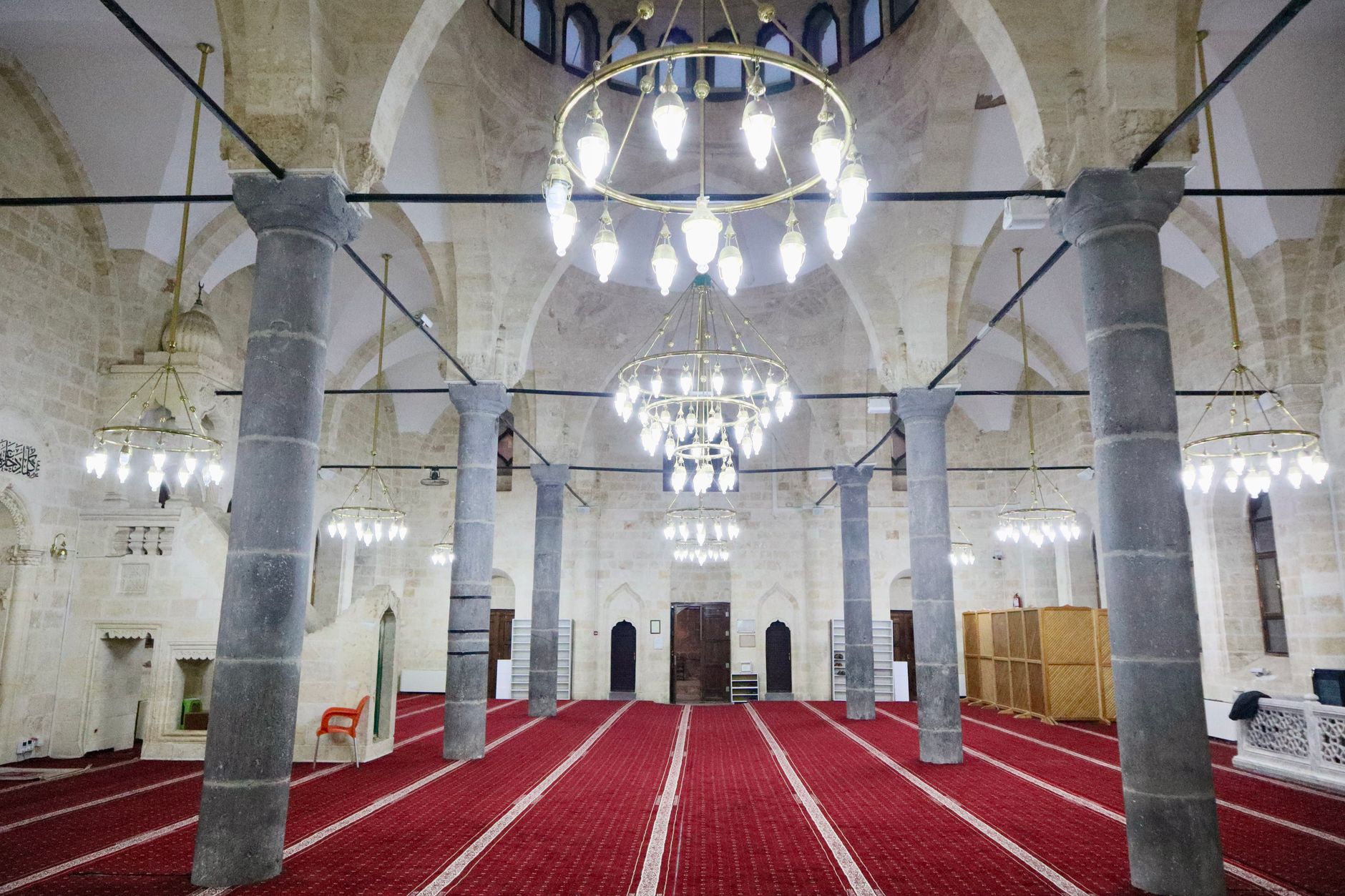
The National Archaeological Museum has been housed since 1892 inside the Büyük Mosque, built in 1474 and Sofia's oldest surviving Ottoman building. The nine-domed prayer hall is now the central exhibition space — you walk between marble Thracian funerary reliefs under a Muslim architectural ceiling, an unusually beautiful clash. The museum holds Bulgaria's principal archaeological collection: Thracian gold, Greek and Roman inscriptions, medieval Bulgarian jewellery and one of Europe's finest collections of Roman-era Balkan sculpture. The institution is part of the Bulgarian Academy of Sciences and still runs excavations across the country, which is why the cases change more often than in a purely display museum. The minaret came down after 1878, the building did a stint as the National Library, and the museum proper was opened to the public in 1905 with Prince Ferdinand in attendance. Treat the shell as half the exhibit and look up before you look into the cases.
The treasury room on the first floor holds gold from Vulchitran, Panagyurishte replicas, and the original Letnitsa Thracian silver plates. On the ground floor, the domed central hall is crammed with sarcophagi and altar stones; along the walls, Roman inscriptions in Latin and Greek from every corner of ancient Thrace. A separate room holds medieval Bulgarian pieces — the crown of Kaloyan (13th-century tsar), gold rings, church candlesticks. A small courtyard garden at the back displays large architectural fragments. The Prehistory Hall covers Neolithic and Chalcolithic Bulgaria — clay figurines, painted pottery, the earliest metalwork — and it is the quietest room in the building, usually empty even at midday. A separate space carries temporary exhibitions drawn from current digs, worth two minutes of your time on the way in. Do the Central Hall first while your attention is fresh, then the treasury, then prehistory.
Compact enough to see properly in 90 minutes, and directly opposite Sveta Nedelya so it slots into any central Sofia walk. Come Tuesday morning for empty rooms. English labelling is comprehensive. Skip the audio guide (€3) — the labels do the job. The museum sits between the Rotunda, the mineral baths and the Ivan Vazov Theatre, so it fits into any of the classic Sofia walks. Last Sunday free — go early. There is no café inside and no restaurant attached, so plan your coffee for afterwards rather than expecting a break halfway. Large rucksacks go in the cloakroom by the desk, which takes a minute at opening and five minutes when a coach group lands. Buy the ticket, walk straight through to the domed hall, and leave the small bookstall of Academy excavation reports for the way out.
Getting there is trivial: the address is 2 Saborna Street, on the Largo beside the Presidency, and metro Serdika on M1/M2 puts you three minutes away — take the exit for TSUM and the Largo, not the market side. From Central Railway Station it is two stops on M2, about five minutes, on a single ticket of roughly €0.80; from Sofia Airport Terminal 2 the M4 runs into Serdika in around 20 minutes on the same fare, with a second ticket required for oversized luggage. Trams stopping at Sveta Nedelya square, lines 1 and 7 among them, leave you a three-minute walk. Walking, it is 12 minutes from Alexander Nevsky Cathedral and about 10 from NDK. Driving is the bad option: central kerbside is blue zone, around €1 an hour with a two-hour cap paid by SMS. Leave the car at the hotel.
Costs are low enough that the entry price is never the deciding factor. Adults pay €4, students and school pupils €2, and the last Sunday of the month is free for everyone. The audio guide adds €3 and is genuinely unnecessary — the wall texts are bilingual and unusually well written. Photography for personal use without flash is accepted; tripods need a word at the desk. Carry small notes and coins, because the ticket window is happier with cash than with a card on a slow connection. There is no city-wide museum pass in Sofia, so each door is paid separately: the Rotunda of St George and the Ancient Serdica complex are free, the Sofia Regional History Museum in the old Mineral Baths costs around €3. Budget €10 for a half-day of central museums and spend the rest on lunch.
Timing matters more than booking. The doors open at 10:00 and the first hour is the good one — stone floors, no voices, raking light through the dome windows. Guided groups arrive between 11:00 and 13:00, Saturday afternoon is the busiest slot of the week, and the free last Sunday brings a queue at opening that thins by about 12:30. The desk stops selling shortly before the 18:00 close, so arriving after 17:00 is a wasted ticket. The building is unheated in the modern sense and January in the domed hall is genuinely cold — keep your coat on rather than checking it. In July and August, when the Largo hits the mid-thirties, this is one of the coolest interiors in the centre. Mondays are shut, and the main public holidays too; ring or check the site the day before if your trip is short.
It suits anyone who likes objects with excavation notes attached, and anyone with a rainy afternoon and 90 minutes to fill three minutes from a metro station. It suits a one-hour gap before a train very well: Central Hall plus treasury in 40 minutes, then two stops on M2 to Central Railway Station. It suits children less. There are no interactive screens, no children's trail and no hands-on room; under-eights will engage with the gold and the Neolithic figurines and lose interest in the Latin inscriptions within ten minutes. Teenagers with any interest in antiquity do fine. Wheelchair users should know the honest position: the treasury and medieval rooms are up stairs with no lift, so a visit means the domed ground-floor hall and the courtyard fragments only. Phone ahead if that decides the visit for you.
What is nearby makes this a half-day rather than an errand. The Rotunda of St George, a 4th-century brick church in the Presidency courtyard, is three minutes away and free, with the guard change on the hour outside. The Ancient Serdica complex of Roman streets sits in the metro underpass two minutes off, also free. Sveta Nedelya Cathedral is three minutes, Banya Bashi Mosque six, and the Sofia Regional History Museum in the former Mineral Baths six minutes with a fine 1913 interior. Lunch is best solved at the Central Market Hall, eight minutes north on Maria Luiza, where the ground-floor counters do banitsa, grilled meat and salads for a few euros. Alexander Nevsky Cathedral is 12 minutes east. If you are sleeping on the Largo, Sofia Balkan Palace is across the square, three minutes from the door.
The honest caveats: the marquee Thracian gold is not all original here. The Panagyurishte pieces are replicas — the originals belong to Plovhis Regional Archaeological Museum in Plovdiv — and the Varna Chalcolithic gold everyone reads about is in Varna, not Sofia. The labels admit this plainly; the touring-exhibition posters that bring people in do not. This is also not the National History Museum, which sits 8 km out in Boyana and is a separate ticket, a separate building and a much longer trip; visitors confuse the two constantly. Inside, the treasury lighting is dim and the older cases throw reflections that defeat phone cameras, the courtyard lapidarium can be shut in bad weather, and signage from the Largo pavement is poor — the walls are blank stone and there is only one door. Expect an old-school, object-dense museum and it will not disappoint you.
Hours & entry
Last Sunday of the month free
Tue-Sun 10:00-18:00 · Closed Mon
What to see
Medieval gold crown of Tsar Kaloyan — First floor treasury room
Nine-domed central prayer hall of the 1474 mosque — Ground floor main exhibition space
Letnitsa Thracian silver appliqués — First floor treasury, dedicated case
Tips from the ground
Free last Sunday of the month — turn up at 10:00 opening.
The garden at the back has benches and is often empty — bring a coffee.
The nearby ClockRoom cafe on Sveta Nedelya square is the coffee stop after.
Questions, answered
Ticket cost?
€4 adults, €2 students. School pupils pay the same reduced €2, and the last Sunday of the month is free for everyone regardless of age. The only paid extra inside is the audio guide at €3, which you can skip because the bilingual wall labels cover more ground than it does. Bring cash in small notes — the ticket window handles coins faster than cards. Nothing else inside costs money; personal photography without flash is allowed at no charge.
Free entry?
Last Sunday of every month. Free admission applies to the whole permanent exhibition, including the first-floor treasury, and it draws a queue at the 10:00 opening that usually clears by around 12:30. If you want empty rooms, come at 10:00 sharp on that Sunday or accept a busy building until early afternoon. On any other day the €4 adult ticket is small enough that paying for a quiet Tuesday morning is the better trade.
How long?
1-2 hours. Ninety minutes is the honest figure for the Central Hall of sarcophagi and inscriptions, the first-floor treasury, the medieval room and the Prehistory Hall, with a few minutes for the courtyard architectural fragments. If a train or a lunch reservation is pressing, 40 minutes covers the domed hall and the gold properly. Anyone who reads every Roman inscription can spend two and a half hours; there is no café inside, so eat before or after rather than mid-visit.
Closed?
Mondays. The museum also shuts on the main Bulgarian public holidays, so check the day before if your trip is short and this is a fixed point in the plan. Tuesday to Sunday it runs 10:00-18:00, with the ticket desk stopping shortly before closing — arriving after 17:00 is not worth the fare. The domed hall is genuinely cold in January and February, so keep your coat rather than checking it into the cloakroom.
Booking?
None needed. Walk up, pay at the desk inside the entrance on Saborna Street and go straight through to the domed hall; there is no timed entry and no online queue-jump to buy. Large rucksacks go into the cloakroom, which takes a minute at opening and rather longer when a coach group arrives between 11:00 and 13:00. Groups wanting a guide in English should telephone ahead, but independent visitors gain nothing from arranging anything in advance.
Nearest metro?
Serdika (M1/M2), three minutes walk. Use the exit signed for TSUM and the Largo rather than the market side. From Central Railway Station it is two stops on M2, about five minutes; from Sofia Airport Terminal 2, M4 reaches Serdika in roughly 20 minutes. A single ticket costs around €0.80, with a second one needed for oversized luggage. Trams at Sveta Nedelya square, including lines 1 and 7, also leave a three-minute walk to the door.
Doing good is the business: every booking through Stay Sofia funds one verified tonne of carbon removal — same room, same price, no markup.
Start your search