Natural Parks
Vitosha Mountain (Cherni Vrah)
The 2,290-metre mountain that fills the entire southern skyline of Sofia and gives locals an alpine playground 20 minutes from the metro.
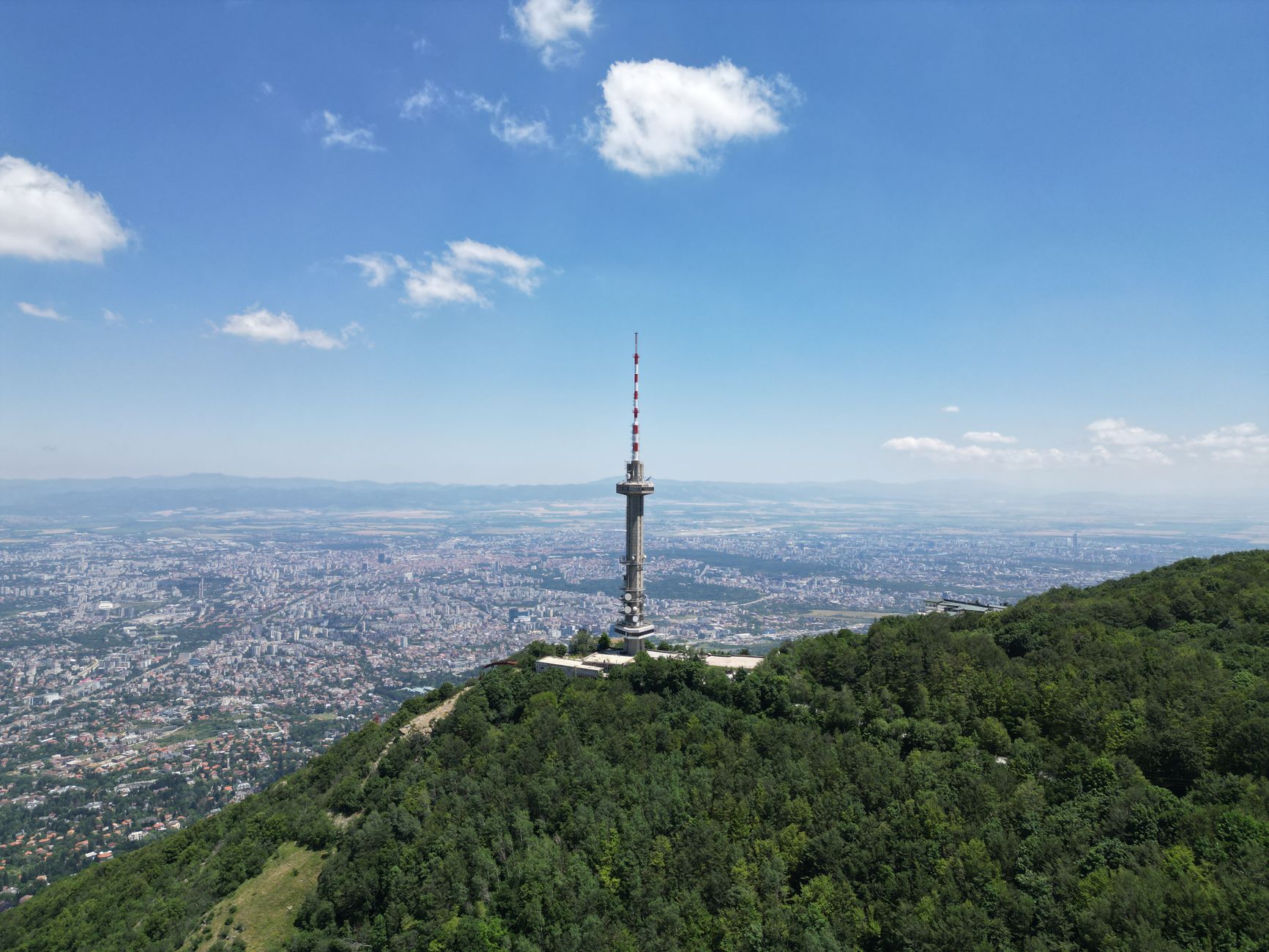
Vitosha is Sofia's mountain — visible from every north-facing window in the city, snow-capped from November to April, and reachable by a single bus from the last metro stop. Its highest peak, Cherni Vrah (Black Peak) at 2,290 metres, was declared Bulgaria's first national park in 1934. In winter Sofians ski here at Aleko resort; in summer they hike, mountain-bike, pick blueberries, or eat grilled meat at rustic mehanas along the road. The whole massif covers 266 square kilometres.
Most visitors go to Aleko, the ski/hiking hub at 1,800 metres reachable by bus 66 from Simeonovo or by the Simeonovo cableway (weekends only, €7 return). From Aleko, marked trails run in every direction: the Cherni Vrah summit is a two-hour walk up a broad rocky path (marked with red paint); the Stone Rivers — bizarre fields of granite boulders left by ice-age glaciers — are 30 minutes' walk in another direction; the Boyana Waterfall is a longer trail down the north face. In winter, Aleko offers 10 marked ski runs, day passes at around €26, and gear rental for €17.
This is Sofia's headline day-out. Come in summer for the alpine meadows, blueberries in July, thunderstorms after 15:00 (start early). Come in winter for ski or snowshoe. Autumn is spectacular for photographers — the beech forest turns orange in October. Skip if the cloud is low; the mountain disappears. The bus 66 from Hladilnika via Dragalevtsi runs about hourly; check the return schedule. Take warm clothing even in summer — the summit is 10°C cooler than Sofia.
Getting there is simpler than the mountain looks. Metro M2 ends at Vitosha station, a few minutes' walk from the Hladilnika terminal where every mountain line starts. Bus 66 climbs from Hladilnika through Dragalevtsi village and the Konyarnika car park to Aleko in about 40 minutes, roughly hourly and more frequent on winter weekends; a single ticket costs around €0.80, a day pass around €2, bought from the machine or the driver. Bus 122 reaches the Simeonovo cableway lower station in ten minutes, bus 64 serves Boyana, bus 93 goes to Dragalevtsi, and tram 5 to Knyazhevo links at weekends with bus 61 up to Zlatni Mostove on the western side. Driving from the centre takes 35-40 minutes; parking at Konyarnika and Aleko is free but full by 10:00 on a sunny weekend. Take the earliest bus 66 you can face.
Costs stay small unless you ski. The park itself charges nothing, the trails charge nothing, and the only fixed outlays in summer are the bus and lunch. The Simeonovo cableway is €7 return and cheaper one way, which is worth taking uphill and walking down if the queue at the top looks long. In winter, a day pass at Aleko is about €26 with skis, boots and poles rented for about €17, so a full ski day lands near €50 including transport and a hot lunch. A bunk in one of the huts runs roughly €10-€15. Bean soup or a plate of grilled meat with beer in a hut or a mehana comes to €4-€10, and tea at the summit shelter costs a euro or two. There is no cash machine above Dragalevtsi — draw money in the city before you get on the bus.
Timing decides whether this is a great day or a wasted one. From June to September, leave Hladilnika by 8:00, stand on Cherni Vrah around 10:30 and be back below the treeline by 14:00, before the afternoon build-up. Weekends bring the cableway but also the crowds: by 11:00 on a fine Sunday the Simeonovo queue can run 30-45 minutes and the Aleko meadow fills with picnic blankets. Midweek there is no cableway at all, only bus 66, and the summit can be yours. Blueberries ripen in late July and August; September gives the clearest air and the longest views over the Sofia basin to Stara Planina; October turns the beech woods gold. November and early December are fog, mud and no snow — the grimmest weeks. Ski season runs roughly late December to March. Aim for a September weekday morning.
It suits confident walkers and families with children over about seven — the Aleko-to-summit path is long and stony rather than technical, but it is two hours up with no shade and no water on the ridge. Younger kids do better on the flat loops around Aleko and the Stone Rivers, where the boulder field is a natural climbing frame under supervision. Wheelchair users have almost nothing above Aleko; the realistic options are driving to Konyarnika or Zlatni Mostove for the view and the picnic tables. Teenagers get downhill biking and snowboarding. On a wet afternoon the mountain is pointless — the cloud sits on it and you see fifty metres — so use that time for the National Museum of History in Boyana instead. With a one-hour gap before a train, do not attempt this at all.
Fold the lower slopes into the same half-day. Dragalevtsi Monastery, a fourteenth-century foundation with faded frescoes, sits about 15 minutes' walk above the Dragalevtsi bus stop on the 66 route and costs nothing. Boyana Church, on the UNESCO list for its 1259 frescoes, is a short bus 64 ride from Hladilnika, admits small groups for roughly ten minutes at a time and costs around €5; the National Museum of History is a five-minute walk from it, and the two together fill an afternoon. Sofia Zoo is next to the Hladilnika terminal. On the western flank, the Zlatni Mostove stone river has a car park, a stream and hut food within a few minutes' walk. Best combination: summit in the morning, then Boyana Church at about 16:00 on your way back into the city.
The honest caveats. Cherni Vrah is not an alpine spire — it is a rounded stony dome carrying a meteorological station, antennas and a stone shelter, and on a bright Sunday you share it with several hundred people and their dogs. The Simeonovo cableway runs weekends only, stops in high wind and has been shut for long maintenance spells; the Dragalevtsi chairlift has spent years out of service, so never build a plan around either. The ski area is small by Alpine standards, with ten runs and ageing lifts, and lift queues on a sunny January Saturday are the real cost of the €26 pass. Fog erases the summit path within minutes even in July, and cloud closes ticks, sheepdogs and no phone-signal reception in the gullies. Save the mountain rescue number, 1470, and turn back rather than push on.
Hours & entry
Always free
Open 24 h · Chairlift Sat-Sun 8:30-16:30 (weather permitting)
What to see
Cherni Vrah summit and stone shelter — 2,290 m peak, 2 h hike from Aleko
Stone Rivers moraine field — 30-min trail east of Aleko
Boyana Waterfall (15 m drop) — North face trail, 90 min hike from Boyana village
Tips from the ground
Start early (before 8:00) in July-August to beat afternoon thunderstorms on the summit.
The Simeonovo cableway (€7 return) runs only Saturday and Sunday, and closes in high wind.
Bring cash for the mehanas along the road — most do not take cards; grilled meat and beer €7-€10.
Questions, answered
Any fee?
No — the national park is free. Ski passes at Aleko cost around €26 a day; cableway €7 return. Ski, boot and pole rental adds about €17, so a full winter day comes to roughly €50 with transport and a hot lunch. In summer the only spending is the €0.80 bus fare each way and food: bean soup or grilled meat in a hut or mehana costs €4-€10, tea at the summit shelter a euro or two. Carry cash — there is no cash machine above Dragalevtsi and most huts refuse cards.
Free access?
The mountain is always free to enter. There are no gates, no ticket booths and no closing time on any trail, including the Cherni Vrah summit path, the Stone Rivers and the Boyana Waterfall route. You only pay for things that move you or feed you: the Simeonovo cableway at €7 return, ski lifts at about €26 a day, hut bunks at roughly €10-€15. Parking at Konyarnika and Aleko is free too, which is why both fill by 10:00 on a fine weekend morning.
Time needed?
A full day for a proper visit including summit hike. Budget 40 minutes each way on bus 66 from Hladilnika, two hours up from Aleko to Cherni Vrah, about 90 minutes back down, plus lunch — that is seven to eight hours door to door. A shorter version works: cableway or bus to Aleko, the 30-minute walk to the Stone Rivers and a meal, done in four hours. Anything under three hours is not worth the climb up the mountain road.
Closed?
Never closed, but trails may be dangerous in winter — assess weather. Snow lingers on the summit dome into May, and fog can erase the red-marked path within minutes at any time of year. The Simeonovo cableway runs Saturday and Sunday only, shuts in high wind and closes for maintenance spells; the road to Aleko occasionally closes after heavy snow, when chains are needed. November and early December are the grimmest weeks: mud, cloud, no snow, nothing running. Mountain rescue is 1470.
Do I need to book?
No booking for hiking. Ski passes and cableway tickets bought on the spot. Nothing on Vitosha sells out — the constraint is capacity of the lifts, not tickets, so on a sunny January Saturday you queue at Aleko regardless of when you bought the €26 pass. The Simeonovo cableway queue can reach 30-45 minutes around 11:00 on weekends; arriving before 9:30 avoids it entirely. Hut bunks at €10-€15 are worth phoning ahead for on winter weekends and holidays; otherwise just turn up.
How to get there?
Metro M2 to Vitosha, then bus 66 to Aleko (about 40 minutes uphill). Vitosha is the southern terminus of the line, minutes from the Hladilnika bus terminal where the mountain routes start; bus 66 runs roughly hourly via Dragalevtsi and Konyarnika, with tickets about €0.80 or a day pass near €2. Bus 122 reaches the Simeonovo cableway in ten minutes, bus 64 goes to Boyana, and tram 5 to Knyazhevo connects at weekends with bus 61 to Zlatni Mostove. Driving takes 35-40 minutes.
Doing good is the business: every booking through Stay Sofia funds one verified tonne of carbon removal — same room, same price, no markup.
Start your search