Hotels in Balchik
Every hotel we list in Balchik, with live prices and free cancellation on most rooms.
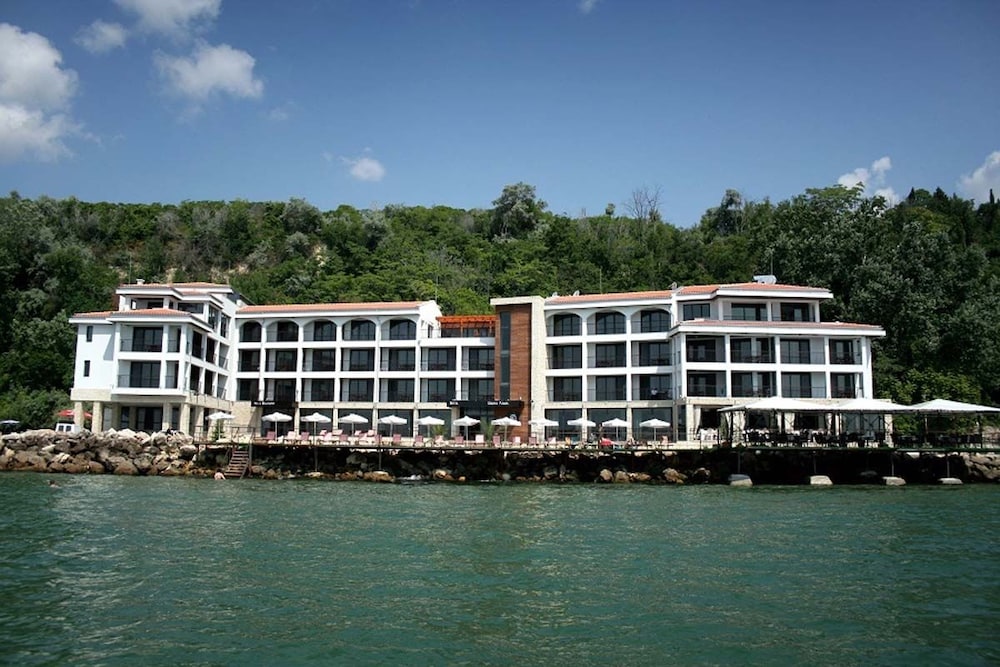
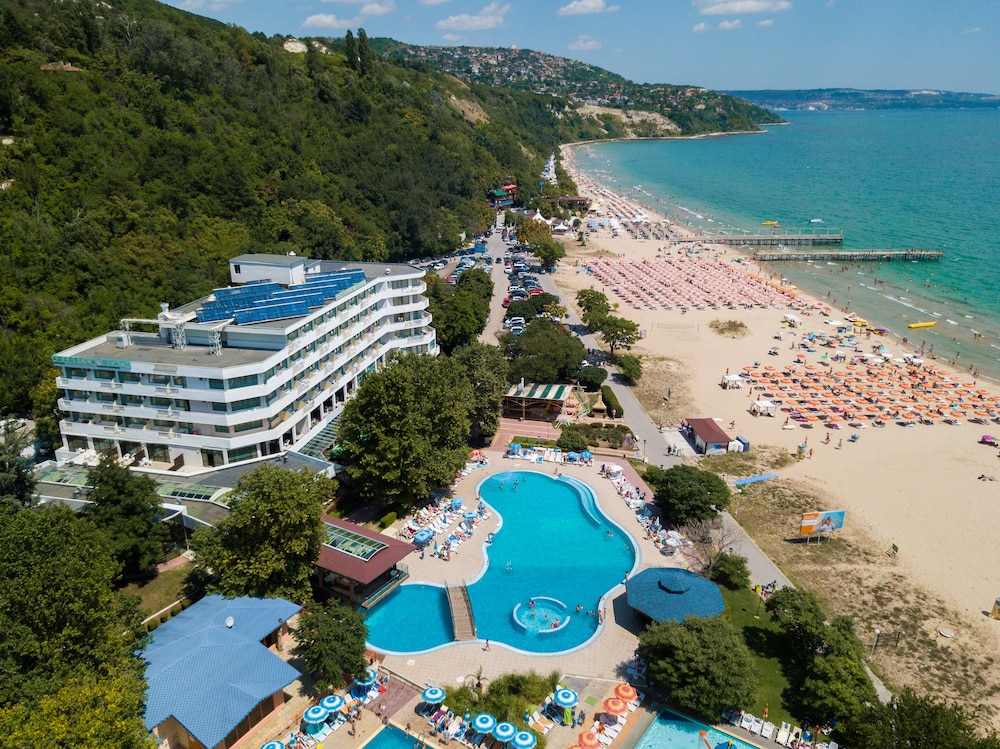
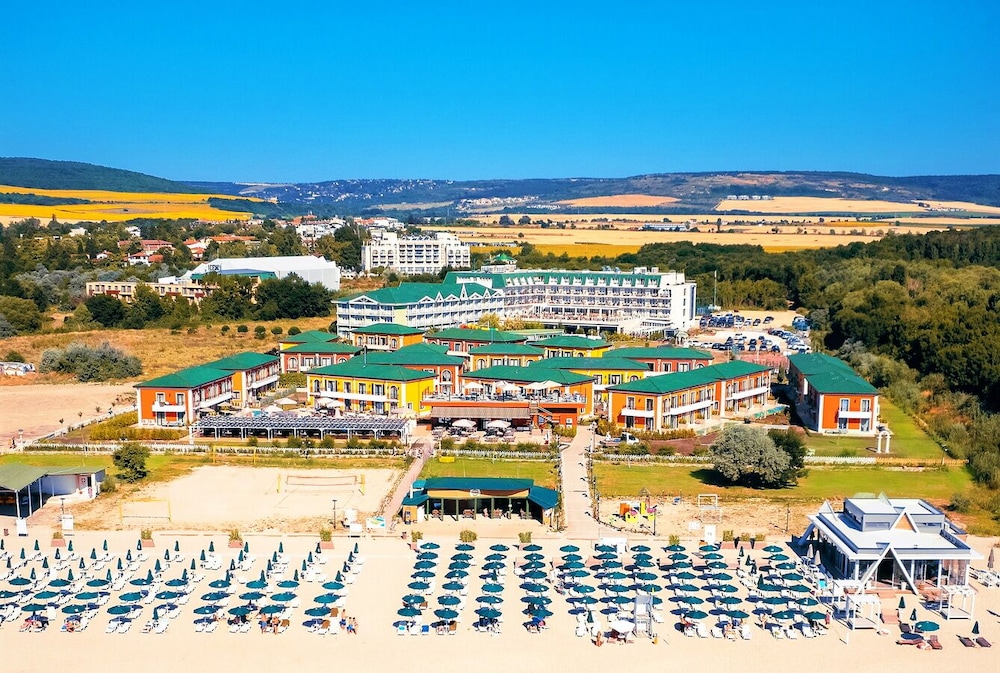
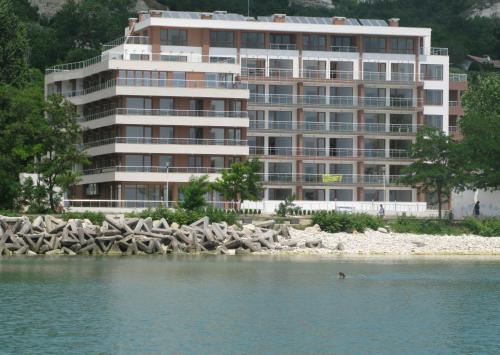
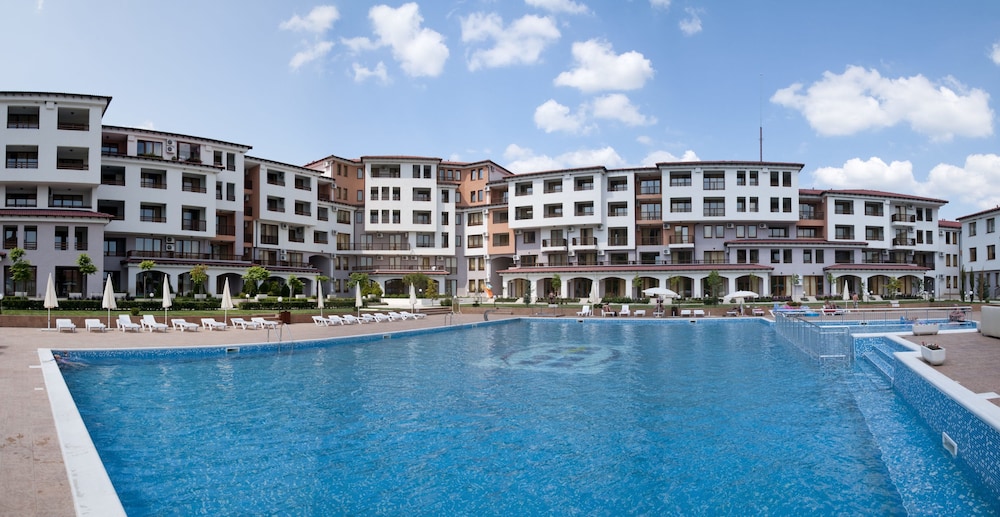
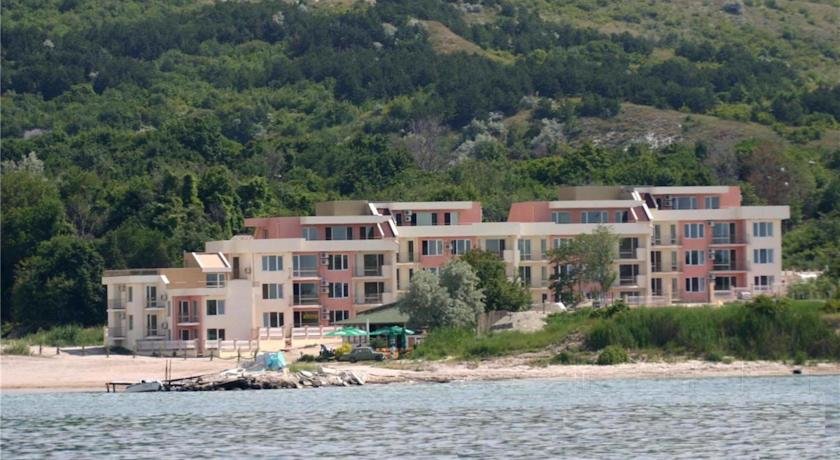
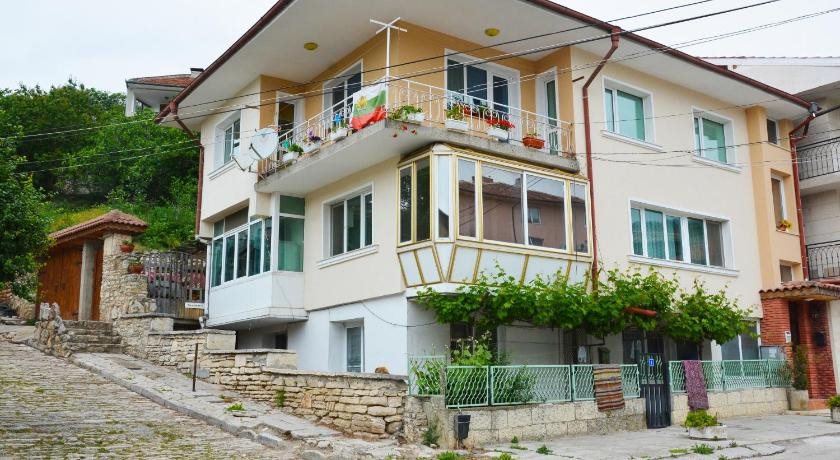
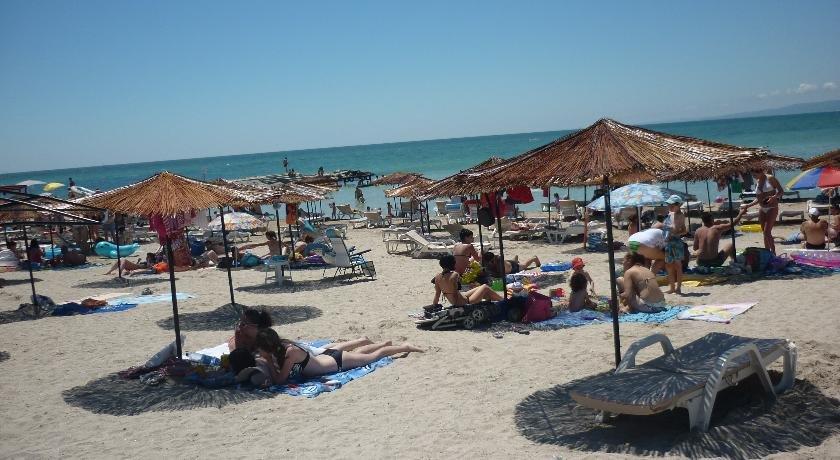
Balchik divides neatly into three sleeping zones, and the one you pick decides how much climbing you do. The lower town, strung along the Kraybrezhna aleya between the fishing port and the Palace, puts you on the flat: small family hotels and rooms above restaurants, sea on one side, chalk terraces rising behind, and generally €10–20 a night more than anywhere else in town. The upper town around Ploshtad Nezavisimost and the bus station is where Balchik actually lives — bakeries, the market, the cheapest beds in the area — but it sits roughly 100 metres above the water, so every return from dinner is a 15-minute uphill walk or a €3 taxi. East of the centre the villa strip runs towards Tuzlata and Topola with quieter guesthouses and the golf hotels, while the package resorts of Albena (10 km) and Kranevo (15 km) and the town of Kavarna (16 km) are all realistic bases if you have a car.
Pilgrims and church-hunters should weigh the lower town heavily, because most of what you have come for is on one flat 2 km line. The Orthodox church of Sveti Nikolay, built in 1866, stands just above the old port; five minutes west, under a modern shelter on the site of ancient Dionysopolis, lies the Temple of Cybele, the Pontic Mother of the Gods, uncovered by chance in 2007 and one of the most complete Hellenistic temples on the Black Sea. Keep walking the seafront alley for 25–30 minutes and you reach the Palace grounds and the Stella Maris chapel, built for Queen Marie of Romania, whose heart rested there in a silver casket until 1940. The bigger religious sites need wheels: the 16th-century Ak Yazılı Baba Tekke at Obrochishte, a hexagonal domed türbe and one of the best-preserved Alevi-Bektashi shrines in the Balkans, is 8 km west on the Albena road, while the rock-cut Aladzha Monastery sits about 28 km south towards Golden Sands and the cliff-top chapel of St Nicholas at Cape Kaliakra is 25 km east.
Season here is short and it moves prices hard. July and August are peak, when the seafront fills with Romanian and Bulgarian families and rates roughly double against May; the Kaliakra Rock Fest at Kavarna, when it runs in July, empties beds for 20 km around, so book that fortnight early. June and September are the sweet spot — sea still warm into late September, the Botanical Garden's cactus collection at its best, and rooms 30–40% cheaper than in August. Two dates matter if you are here for the shrines: Hıdırellez on 6 May draws visitors to the tekke at Obrochishte, and Nikulden on 6 December fills Sveti Nikolay and every fish restaurant in the port with carp. From late August into October the Via Pontica flyway funnels storks and raptors over Kaliakra, which brings a small, determined birdwatching crowd and keeps a handful of hotels open past the general October shutdown.
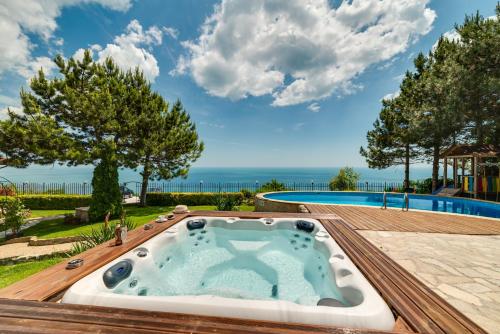
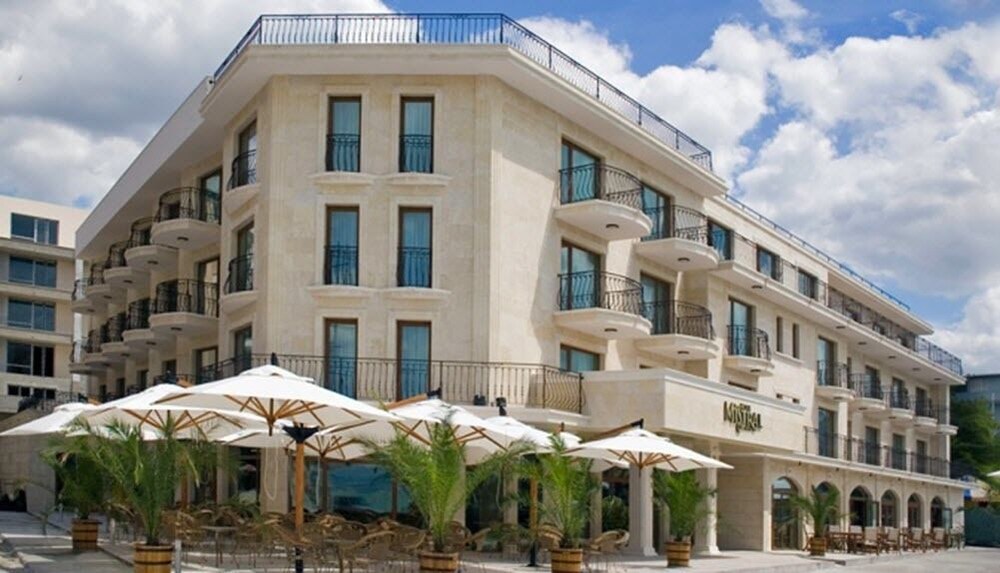
Budget for around €28–45 for a double in a family guesthouse or a simple room in the upper town in high summer, and €22–32 for the same thing in May or late September. Mid-range three-star hotels with breakfast and a balcony run about €50–80 in July and August, dropping to €40–55 either side of the season. The top end — sea-view spa hotels above the bay and the golf resorts out towards Topola and Bozhurets — sits at roughly €110–200 a night, and those are the properties most likely to close entirely between November and March. Entry to the Palace and Botanical Garden together costs about €10, Aladzha Monastery around €3, and a two-course lunch of fried Black Sea sprats with a glass of wine on the promenade about €12–15.