Stays in Sliven
Sliven sits at the foot of the Balkan Mountains in eastern Bulgaria, a city with a long industrial and cultural history. It is known across the country for its textile tradition and for the Hadzhi Dimitar and Panayot Hitov haiduti, the nineteenth-century revolutionaries who are commemorated in the…
Every stay in Sliven
Recent rates first, then the best-reviewed rooms.
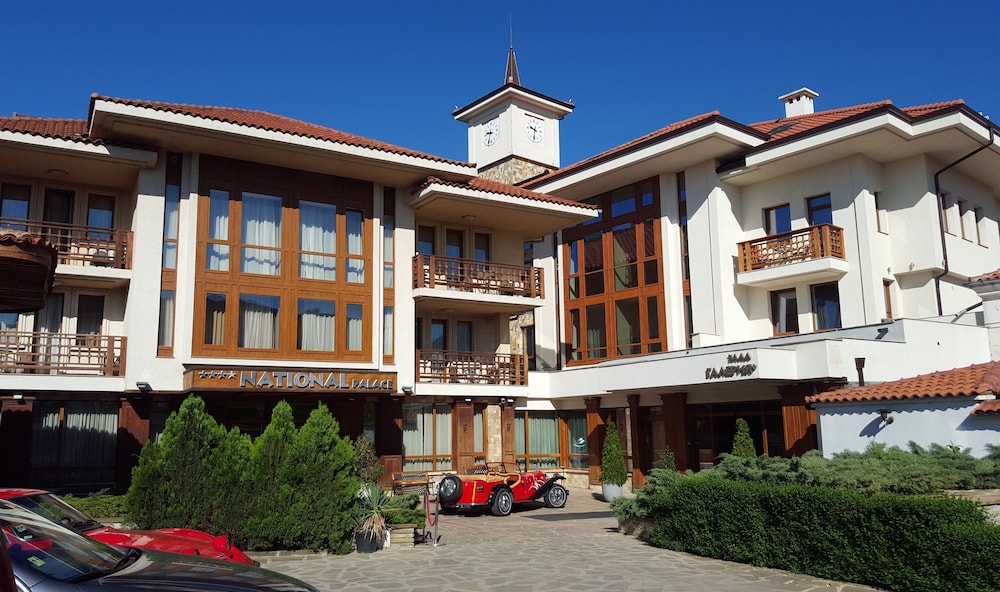
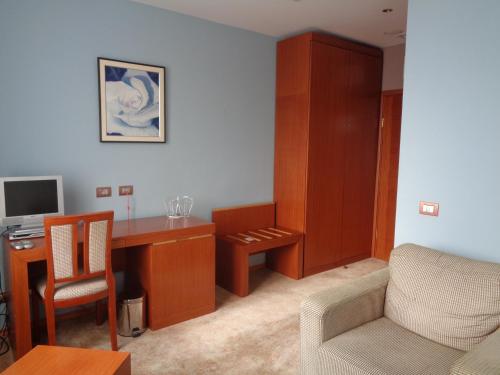
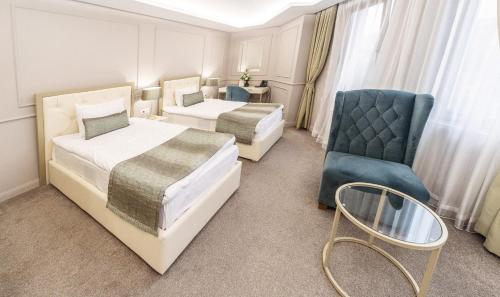
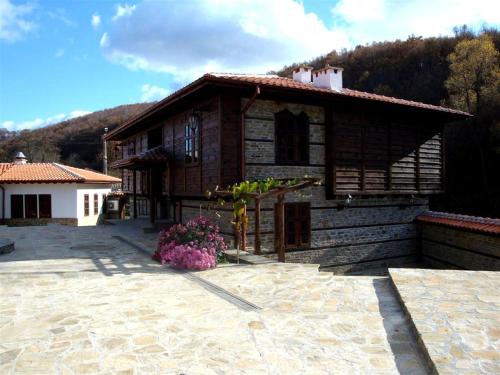






Search live rates in Sliven
Pick your dates — every Sliven room with a live price, in one list.
Free cancellation on most rooms · 1 t CO₂ removed per booking, at no extra cost.
About Sliven
Sliven is also one of the larger cities in the region and serves as a base for exploring the surrounding countryside, including nearby villages and the vineyards of the Sliven wine region. The city has a mix of older houses, socialist-era blocks and newer developments, and its parks and boulevards give it a relaxed pace. For visitors, it works well as a stop between the central Bulgarian towns and the Black Sea coast, with enough museums, churches and outdoor options to fill a day or two.
Where to stay in Sliven
City centre. The area around the main square and the pedestrian streets puts you within walking distance of museums, restaurants and shops, and is the most convenient base for a short stay.
Karandila. The upland area above Sliven is known for its cooler air and walking routes, with accommodation suited to those who want to be close to the mountain rather than the city streets.
Blue Rocks area. Near the Blue Rocks nature park on the northern edge of the city, this area suits visitors interested in climbing, hiking and views over the plain.
Southern districts. The residential quarters south of the centre offer a quieter setting and are still within reach of the main sights by car or local transport.
Getting there and around
Sliven is on the main road and rail routes across eastern Bulgaria, with connections to Burgas on the coast and to the interior. The railway station and bus station are both in the city, and buses link the centre with surrounding villages and towns. For getting around, the central area is small enough to walk, while taxis and local buses cover the outer districts. A car is useful for reaching Karandila, the Blue Rocks and the wine villages in the surrounding region, as public transport to those spots is limited.
When to go
Spring and early summer are pleasant for walking in the Balkan Mountains, when the uplands above the city are green and the weather is mild. Autumn is also a good time, with cooler temperatures and the grape harvest in the surrounding wine region. July and August can be hot in the city, while winter brings colder conditions and occasional snow, which can affect access to the higher areas.
Questions, answered
What is Sliven known for?
Sliven is known for its textile industry and for its association with the nineteenth-century haiduti leaders Hadzhi Dimitar and Panayot Hitov. The city is also a gateway to the Blue Rocks nature park and the Karandila upland.
What can visitors see in the city centre?
The centre includes the regional history museum, the drama theatre and several churches, all within walking distance of the main square. The pedestrian streets are good for a stroll and for finding cafes and shops.
How do I get to the Blue Rocks and Karandila?
Both are on the mountain side of the city. Karandila can be reached by road or by hiking trails from Sliven, while the Blue Rocks area is closer to the northern edge of the city. A car makes both easier to visit.
Is Sliven a good base for exploring the region?
Yes, the city is well placed on routes across eastern Bulgaria and gives access to nearby villages and the Sliven wine region. It can serve as a stop between the interior and the Black Sea coast.
How many hotels are listed for Sliven?
There are 42 hotels listed for the city, ranging from one to four stars, with an average guest score of 4.3 out of 5.