Stays in Vratsa
Vratsa is a city in northwestern Bulgaria, set at the foot of the Balkan Mountains. It serves as the administrative centre of Vratsa Province and has a history that stretches back to antiquity, with Thracian, Roman, and medieval Bulgarian remains in and around the city. The Vratsa Karst Nature Park…
Every stay in Vratsa
Recent rates first, then the best-reviewed rooms.
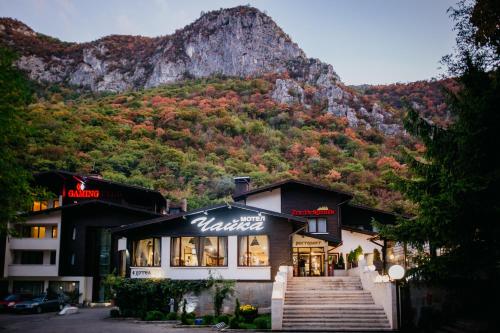
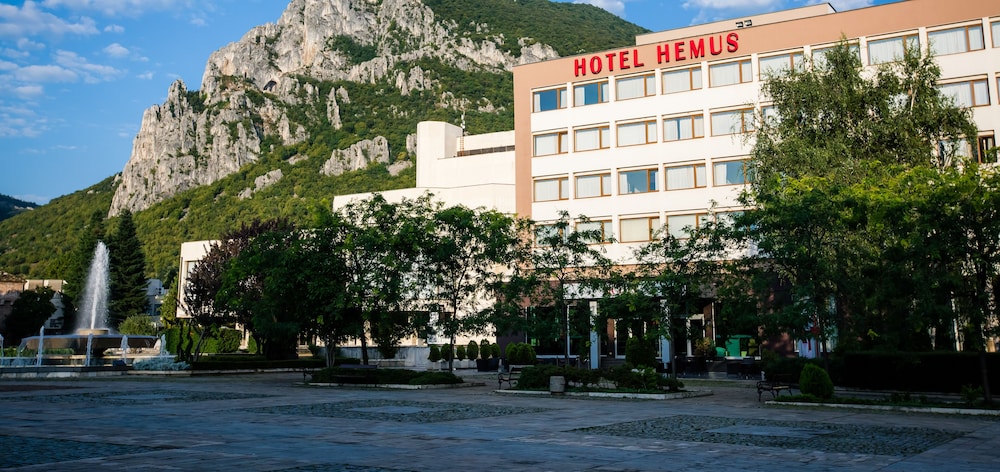
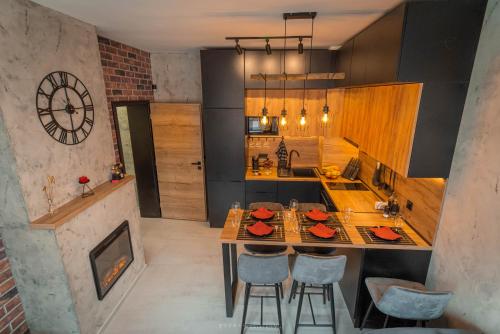
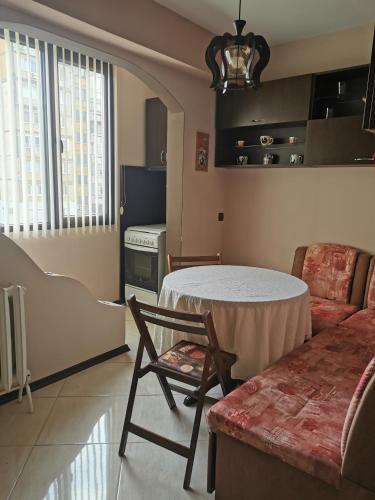
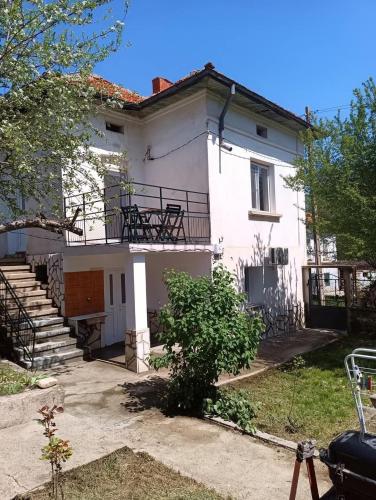
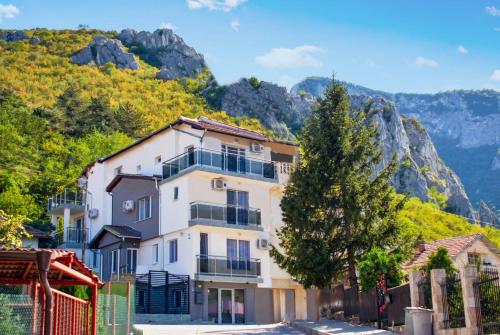
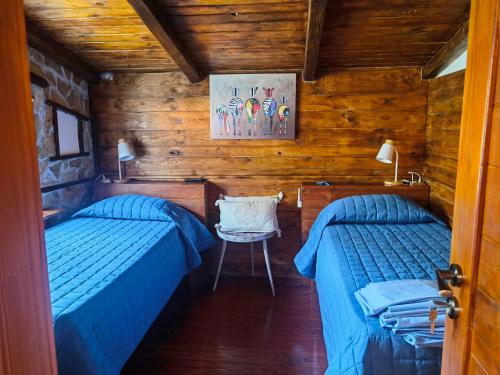
Search live rates in Vratsa
Pick your dates — every Vratsa room with a live price, in one list.
Free cancellation on most rooms · 1 t CO₂ removed per booking, at no extra cost.
About Vratsa
The city is a starting point for hiking and caving in the surrounding karst landscape, including the Ledenika Cave and the Skaklya Waterfall. Vratsa's central square, hristo botev square, and the ethnographic complex Saint Sofroniy Vrachanski offer a glimpse of local architecture and traditions. The regional historical museum holds one of Bulgaria's best-known collections of Thracian gold treasures.
With a compact centre, Vratsa is easy to explore on foot. The city has a range of hotels, guesthouses, and family-run places to stay, and it is connected by road and rail to other parts of Bulgaria. Whether you are passing through or using it as a base for the mountains, Vratsa combines urban amenities with quick access to nature.
Where to stay in Vratsa
Central Vratsa. The area around Hristo Botev Square and the main pedestrian streets puts you within walking distance of restaurants, shops, and the regional historical museum.
Vratsa Gorge and Ledenika area. Accommodation near the entrance to the Vratsa Gorge and the road to Ledenika Cave suits visitors who want to hike or explore the karst landscape.
Residential quarters. Neighbourhoods such as Mladost and Dabnika offer quieter streets and a mix of apartment-style guesthouses and small family hotels.
Railway station area. The streets around the railway station are convenient for early departures and provide basic hotels and guesthouses.
Getting there and around
Vratsa is about 110 kilometres north of Sofia and is reached by road via the Hemus motorway and the E79 road, or by train on the Sofia–Vratsa line. Regular buses also connect the city with Sofia and other regional centres. Within Vratsa, the centre is compact and walkable, with local buses and taxis available for reaching the railway station, the gorge, and Ledenika Cave. A car is useful for exploring the surrounding mountains and villages.
When to go
Spring and early summer are good for hiking in the Vratsa Gorge and visiting Ledenika Cave, when the weather is mild and the waterfalls are flowing. Autumn offers stable conditions and autumn colours. Winters can be cold and snowy, which suits winter sports but may limit access to some mountain trails.
Questions, answered
What is Vratsa known for?
Vratsa is known for its location at the foot of the Balkan Mountains, the Vratsa Gorge, Ledenika Cave, and the regional historical museum with its Thracian gold treasures.
How do I get to Vratsa from Sofia?
Vratsa is about 110 kilometres north of Sofia. You can drive via the Hemus motorway and the E79 road, or take a train or bus from Sofia.
What is the best way to get around Vratsa?
The city centre is compact and easy to explore on foot. For the gorge, Ledenika Cave, and surrounding areas, local buses, taxis, or a car are more practical.
What can I do in Vratsa?
Visitors can hike in the Vratsa Gorge, tour Ledenika Cave, see the Skaklya Waterfall, visit the regional historical museum, and explore the ethnographic complex Saint Sofroniy Vrachanski.
When is the best time to visit Vratsa?
Spring and early summer are ideal for outdoor activities, while autumn offers mild weather and autumn colours. Winter can be cold and snowy.