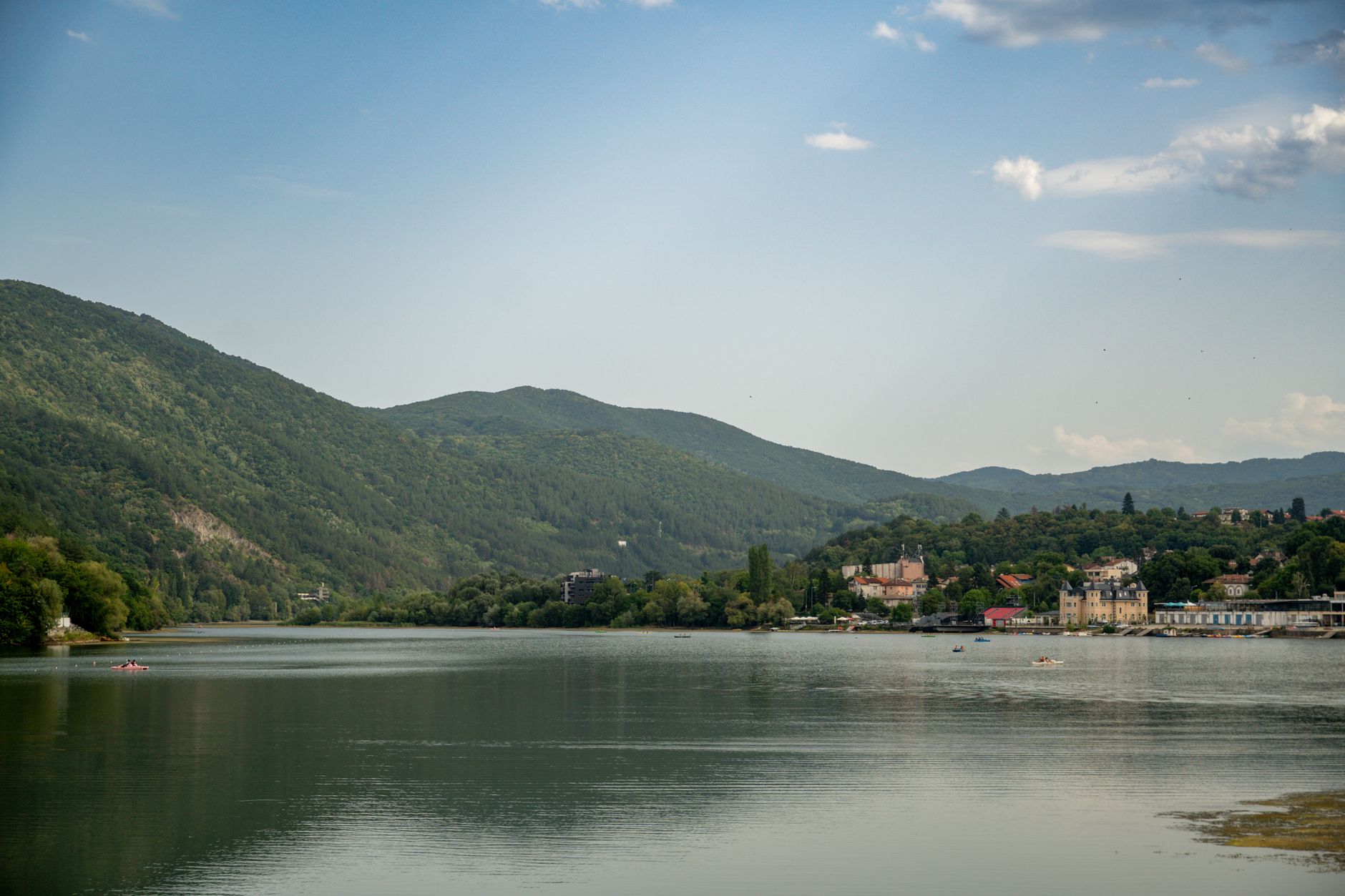
Small town at the mouth of the Iskar Gorge, north of Sofia. Cliffs, medieval churches, freight trains — a genuinely rural feel.
Novi Iskar is a small town 15 km north of central Sofia, at the point where the Iskar river carves through the Balkan mountains in a 60-km gorge. It is technically part of Sofia municipality but feels entirely rural — low houses, agricultural land, the river winding between limestone cliffs, and the Sofia-Vidin railway line following the gorge north. The town itself is unremarkable; the reason to come is the gorge, the medieval churches in surrounding villages, and the walking.
Suits day-trippers with a car, adventurers who want empty landscape 30 minutes from the capital, and cyclists. Skip it as a base if you want city amenities — Novi Iskar has one hotel worth mentioning and a handful of village guesthouses in surrounding hamlets, with limited restaurant options. Prices €35 to €56 for a room. Do not visit without either a car or a plan for using the slow local trains.
At 9pm the main street along the E79 is dark and quiet apart from the occasional freight lorry heading north toward Montana; the only light comes from a couple of small grocery shops closing up and the odd kitchen window. There is no evening promenade, no bar scene, nothing resembling nightlife. People who come here for a weekend do it for the gorge at dawn, not for what happens after dinner, and the town itself makes no attempt to pretend otherwise.
Families looking for a quiet rural weekend with a car, birders chasing the spring and autumn raptor migration, and hikers wanting a monastery walk within reach of the capital will get the most from Novi Iskar. First-time visitors to Sofia, anyone without transport, and travellers wanting restaurants or shops within walking distance should base themselves in the city centre instead and treat this as a half-day or full-day excursion.
Where to stay in Novi Iskar
Small guesthouses in Novi Iskar itself and in surrounding villages like Kurilo and Kumaritsa — €35 to €56 a night in high season (May to September), dropping to around €30 in winter when demand for the gorge drops off. Avoid anything on the main road (E79) — freight truck noise runs through the night. Streets close to the river or up in the villages, particularly around Kurilo's old quarter near the monastery turn-off, are quieter and better value. Confirm hot water and heating in winter; some village properties are basic, with electric heaters rather than central heating, and Wi-Fi can be patchy outside the town centre. Book directly with the guesthouse by phone or through a Bulgarian booking platform rather than expecting instant online confirmation — this is not a base for a first-time Sofia visitor, and anyone wanting reliable amenities should book a hotel in central Sofia and day-trip instead.
Things to do in Novi Iskar
- Kurilo Monastery13th-century Orthodox monastery on a cliff above the Iskar river, 10 minutes' drive north of Novi Iskar. Small church, working monks, free entry. Best visited midweek to avoid Bulgarian weekend visitors. Access by car or bus 121 from Obelya metro.
- Iskar Gorge drive or cycleThe road (and parallel railway) north of Novi Iskar follows the Iskar river through the gorge for 60 km to Mezdra. First 20 km are the most dramatic — limestone cliffs, tunnels, monasteries perched above. Take at least half a day.
- Cherepish Monastery day trip14th-century monastery further up the gorge, 45 km north of Novi Iskar. Reachable by slow train from Sofia Central (get off at Cherepish station, 90 minutes, €3), or by car. Frescoes, forest walk, quiet.
- Bird watching in the gorgeThe Iskar Gorge is a raptor migration corridor — spring and autumn bring golden eagles, honey buzzards and lesser spotted eagles. Best viewpoints from the cliffs above Kurilo. Bring binoculars.
- Kurilo train station and old bridgeA short walk from Kurilo village centre, the stone rail bridge over the Iskar dates from the original Sofia-Vidin line construction. Freight trains pass several times a day; a good spot to photograph the gorge without climbing. Free, accessible any time on foot.
- Sunday village market in Novi IskarA small open-air market sets up near the town centre on Sunday mornings, roughly 8am to 1pm, selling seasonal produce, cheese and honey from surrounding villages. Prices are a euro or two per item — cash only, and it thins out fast after midday.
Getting around & the essentials
Bus 121 from Obelya metro (M2) reaches Novi Iskar in 30 minutes, €1, running roughly every 30 to 40 minutes through the day. The Sofia-Mezdra slow train from Sofia Central stops at Novi Iskar and continues up the gorge — €1 to €3 depending on distance, about 6 trains daily, with the ride to Cherepish taking around 90 minutes. From the airport, a taxi is €22 to €30, 40 minutes; there is no direct public transport link from the airport, so plan on transferring through the centre or the M2 line to Obelya first. A car is strongly recommended once here — public transport reaches Novi Iskar but not the surrounding villages like Kurilo or Kumaritsa efficiently, and the monastery turn-offs are a 10 to 15 minute drive rather than a walk.
Kurilo Monastery from Novi Iskar. From Novi Iskar centre, follow the road north along the river for 3 km, passing the old stone rail bridge at Kurilo village and the train station, to the base of the Kurilo cliff. Climb the marked path 20 minutes to the monastery at the top. Views over the gorge and the railway line below. Return same way or continue on the ridge trail for a longer walk. Allow 3 hours.
Novi Iskar, questions answered
Is Novi Iskar worth visiting from Sofia?
The Iskar Gorge and its monasteries are, yes. Novi Iskar itself is only worth it as a base for exploring the gorge. Day trip from central Sofia by car is often more practical than an overnight stay unless you want early morning bird watching or hiking.
Can I do the Iskar Gorge by train from Sofia?
Yes — the slow train from Sofia Central to Mezdra takes 2 hours and follows the gorge the whole way. Sit on the left side heading north for the best views. Get off at Cherepish for the monastery, or continue to Mezdra and return. €3 one way.
How do you get to Novi Iskar without a car?
Take the M2 metro line to Obelya, then bus 121, which reaches Novi Iskar in about 30 minutes for €1. Alternatively, catch the slow Sofia-Mezdra train from Sofia Central, which also stops here. Once in Novi Iskar, though, reaching the surrounding villages and the monastery trailheads without a car is genuinely difficult.
What is there to eat in Novi Iskar?
Very little — a couple of small grocery shops and one or two basic local eateries near the town centre serving simple Bulgarian dishes, nothing that qualifies as a destination restaurant. Most visitors either bring food for a picnic in the gorge or eat before leaving Sofia. The Sunday morning market is the best source of fresh produce if you are self-catering.
Nearby districts
Doing good is the business: every booking through Stay Sofia funds one verified tonne of carbon removal — same room, same price, no markup.
Start your search