Hotels in Bansko
Every hotel we list in Bansko, with live prices and free cancellation on most rooms.
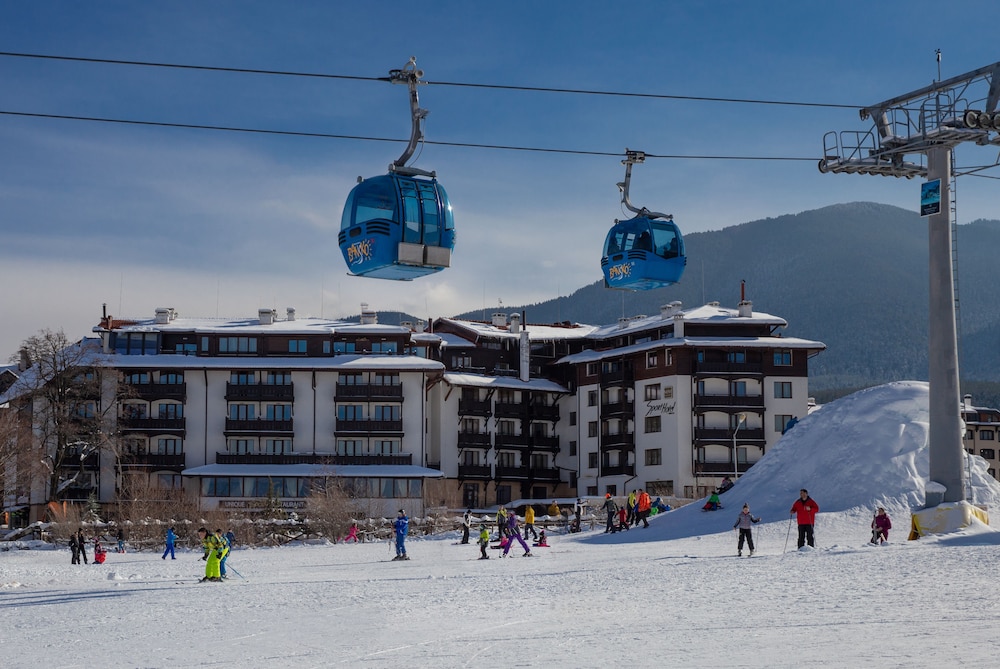
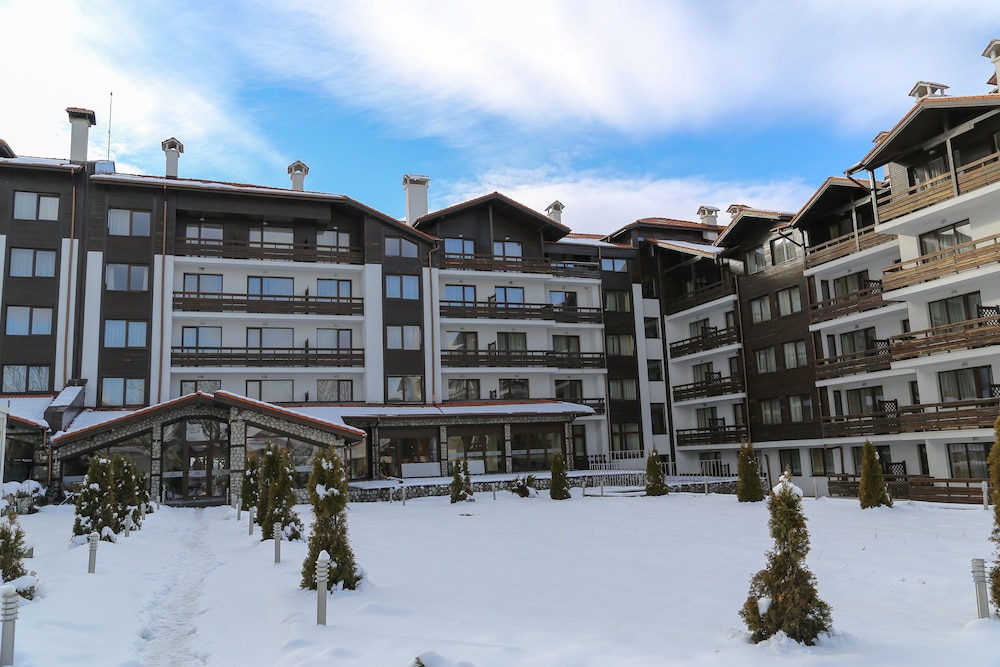
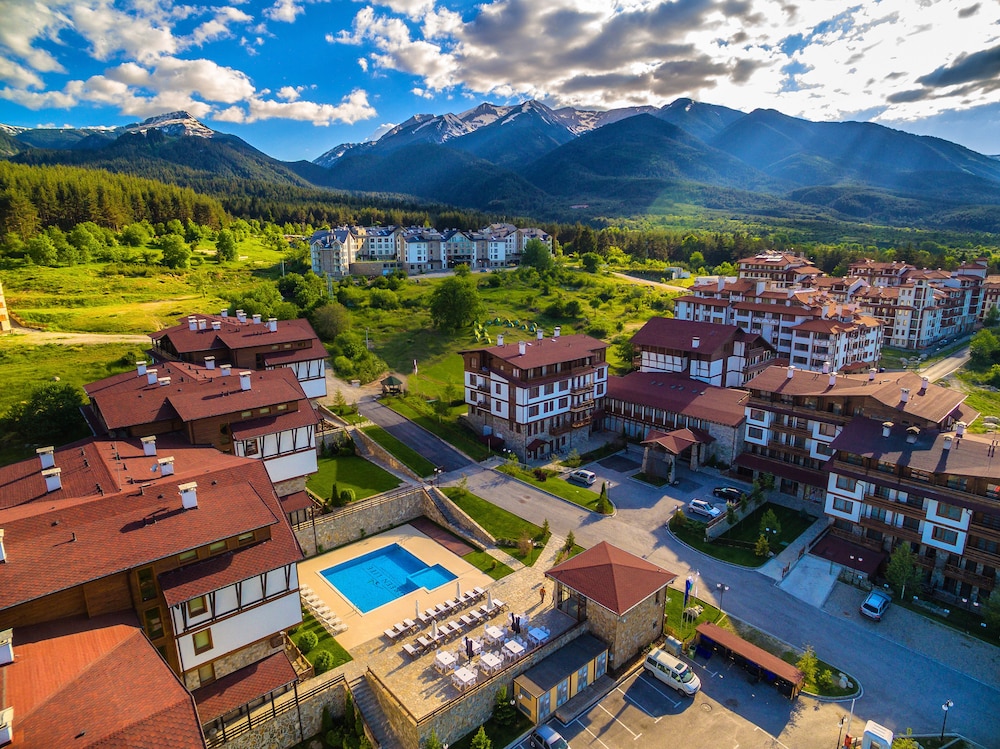
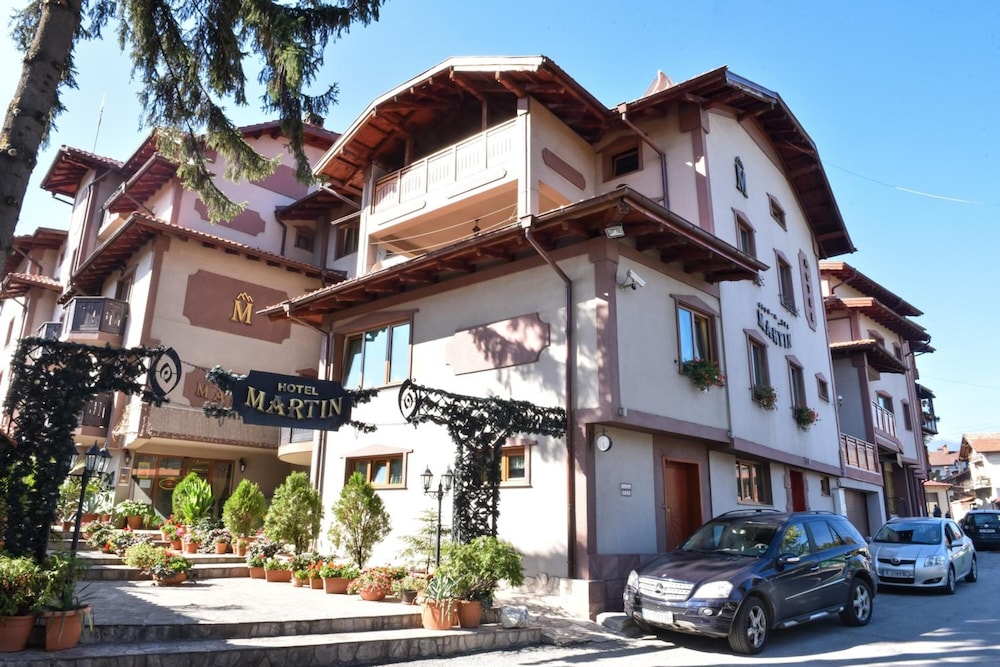
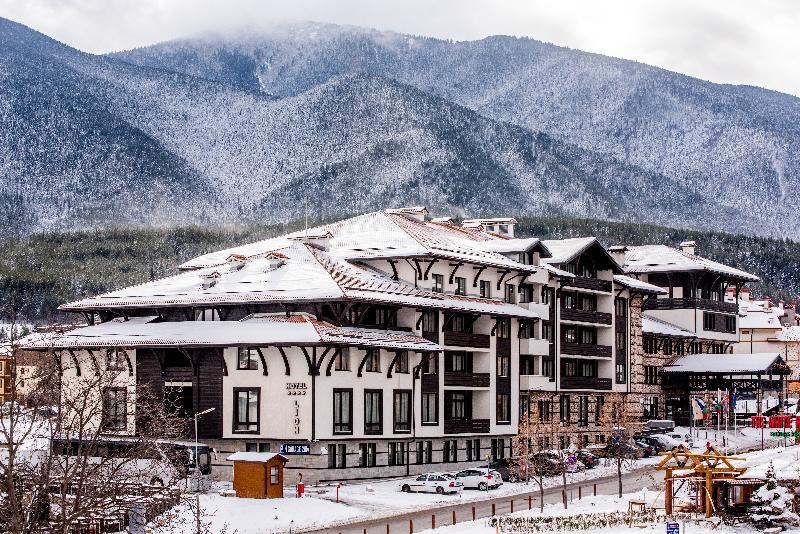
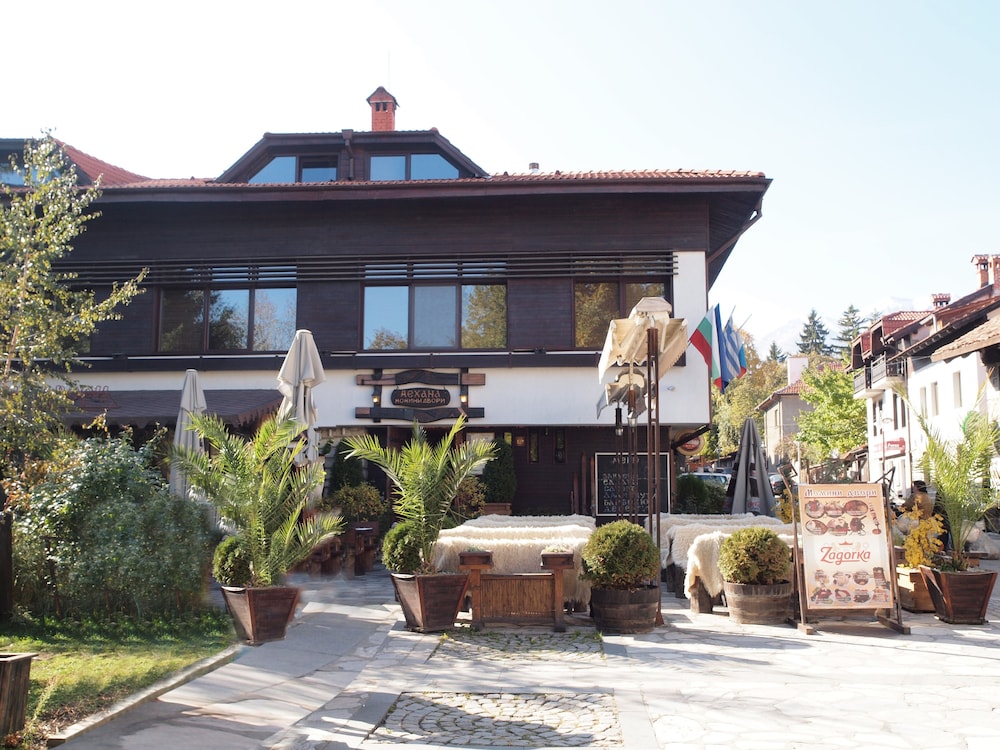
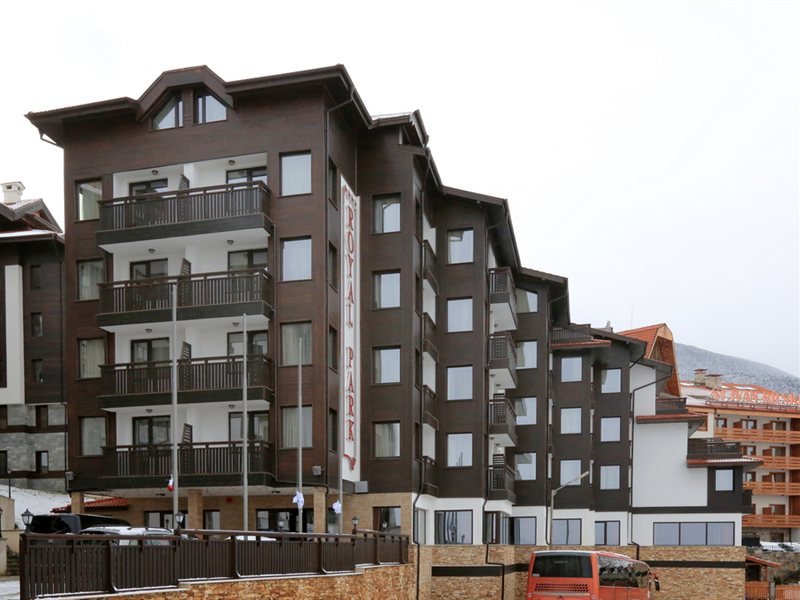
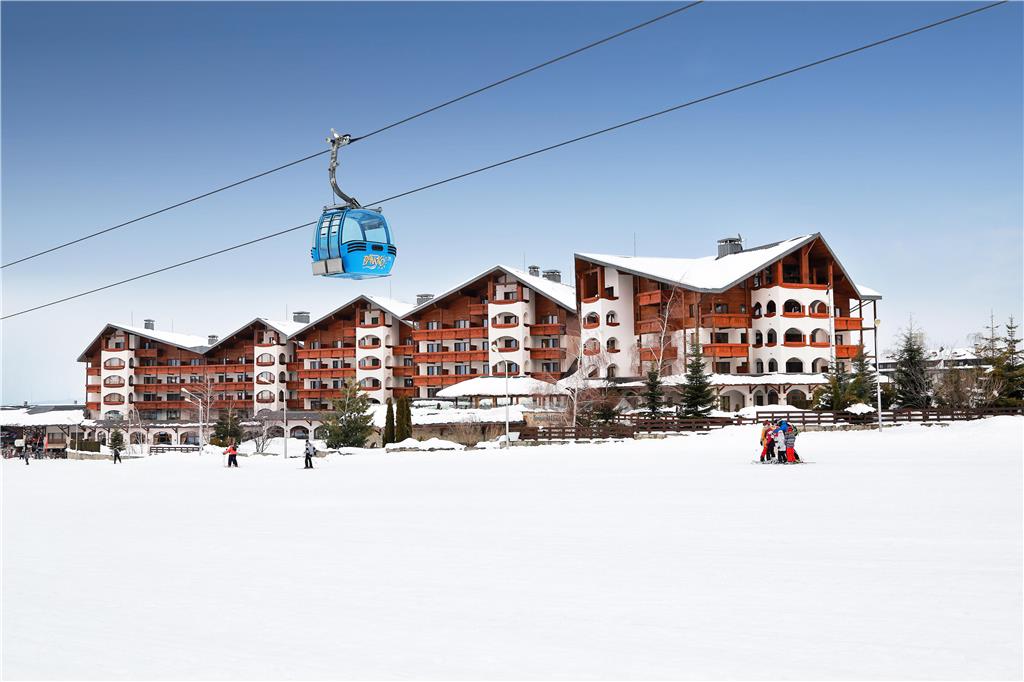
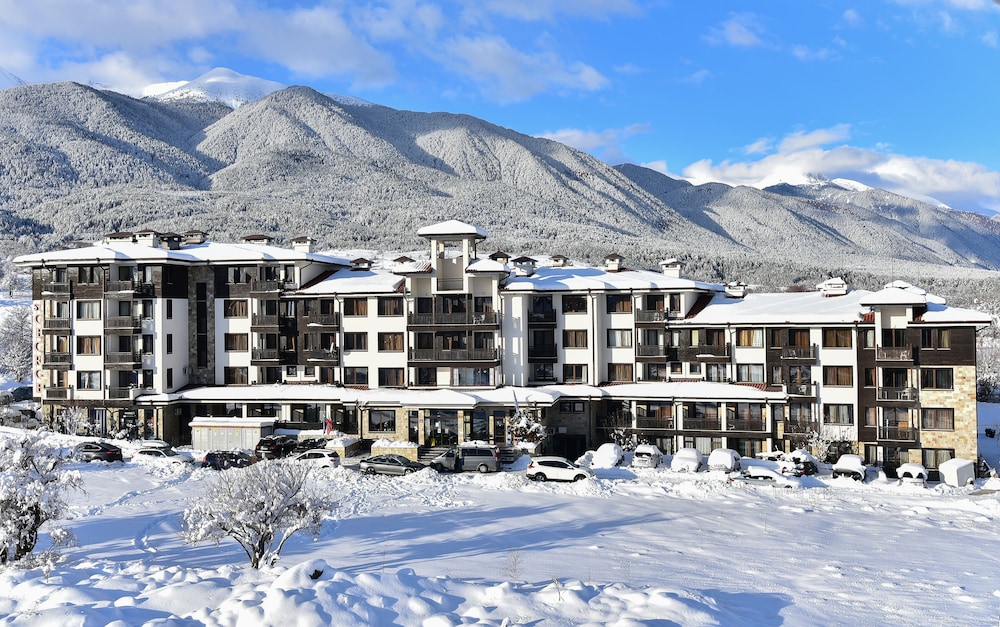
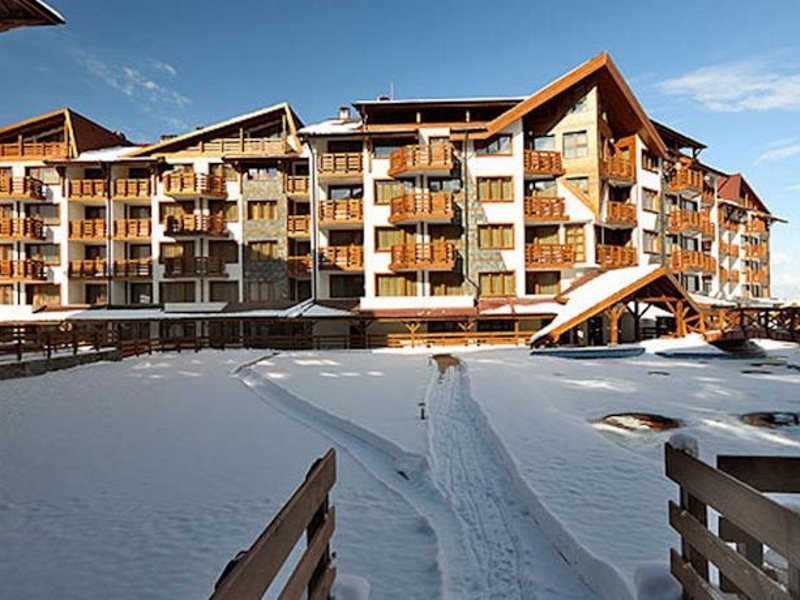
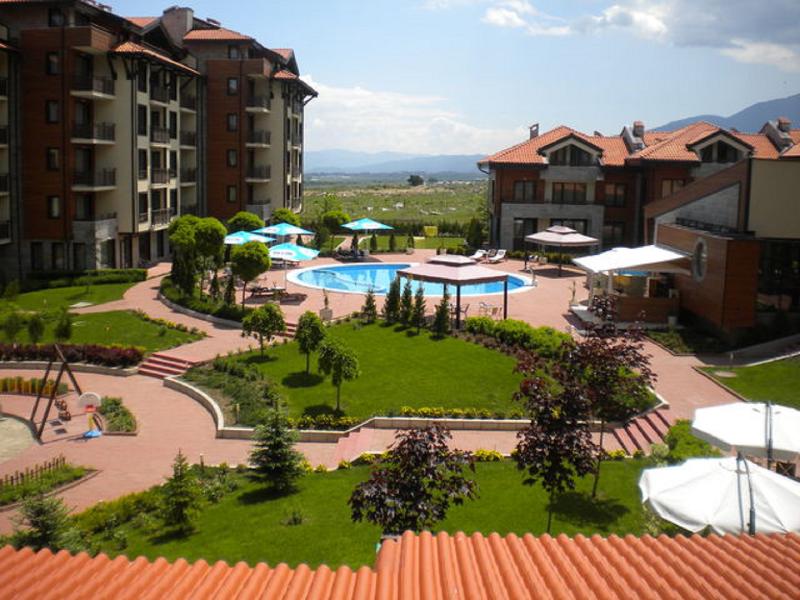
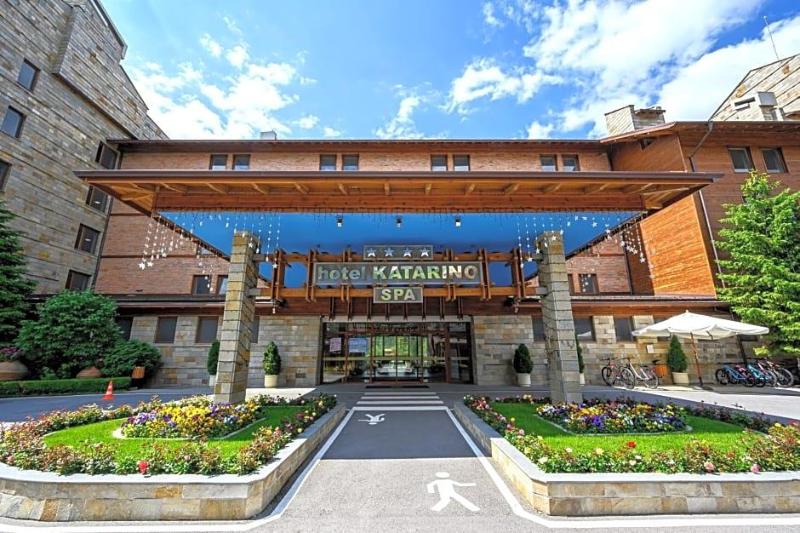
Stay in the Old Town if the churches and the Revival houses are what brought you: the walled courtyard of Sveta Troitsa, the Velyanova House with its Bansko-school wall painting, and the Neofit Rilski house-museum all sit within a five-minute walk of each other on the cobbled lanes off Tsar Simeon Street. The other obvious base is the bottom of Pirin Street around the gondola station, roughly 900 metres and a twelve-minute downhill walk from the church square, where most of the larger spa hotels cluster and where winter prices run highest. North of Nikola Vaptsarov Square, towards the Glazne river and the bus and train stations, rooms are plainer and noticeably cheaper without putting you more than fifteen minutes from anything. Up the mountain road at Banderishka Polyana and Shiligarnika you sleep at around 1,600 metres beside the pistes, but you are cut off from the town's mehanas and its churches once the road ices over.
The cheaper alternative is to sleep outside Bansko altogether. Razlog is 6 km north, has its own Revival-era church and a fraction of the winter mark-up; Dobrinishte lies 6 km south-east and adds thermal water, with mineral springs running at over 40°C; Banya, 5 km east, is built around Roman-era baths and a working village church, and is where you find family guesthouses at the lowest rates in the valley. A taxi between any of these and central Bansko costs around €5 to €8, and in winter most hotels there run their own shuttle to the gondola. Budget travellers who do not ski often find the best value in Razlog or Banya and treat Bansko as the place they visit rather than the place they sleep.
For pilgrimage the geography matters more than the hotel. Sveta Troitsa was finished in 1835, its 30-metre bell tower added later with a clock dating from 1866, and it holds icons from the Bansko painting school founded by Toma Vishanov; Bansko is also the birthplace of Paisiy Hilendarski, the Athonite monk who wrote the Slavonic-Bulgarian History in 1762, and the burial place connection to Neofit Rilski ties the town directly to Rila. The church of St Theodore Tyron and St Theodore Stratilates at Dobarsko, about 18 km away past Razlog, is half sunk into the ground and frescoed in 1614. Rila Monastery is roughly a two-hour drive north-west, and Rozhen Monastery near Melnik about two hours south. None of those are reachable on public transport in a single comfortable day, so if monasteries are the point of the trip, budget for a hire car or a driver.
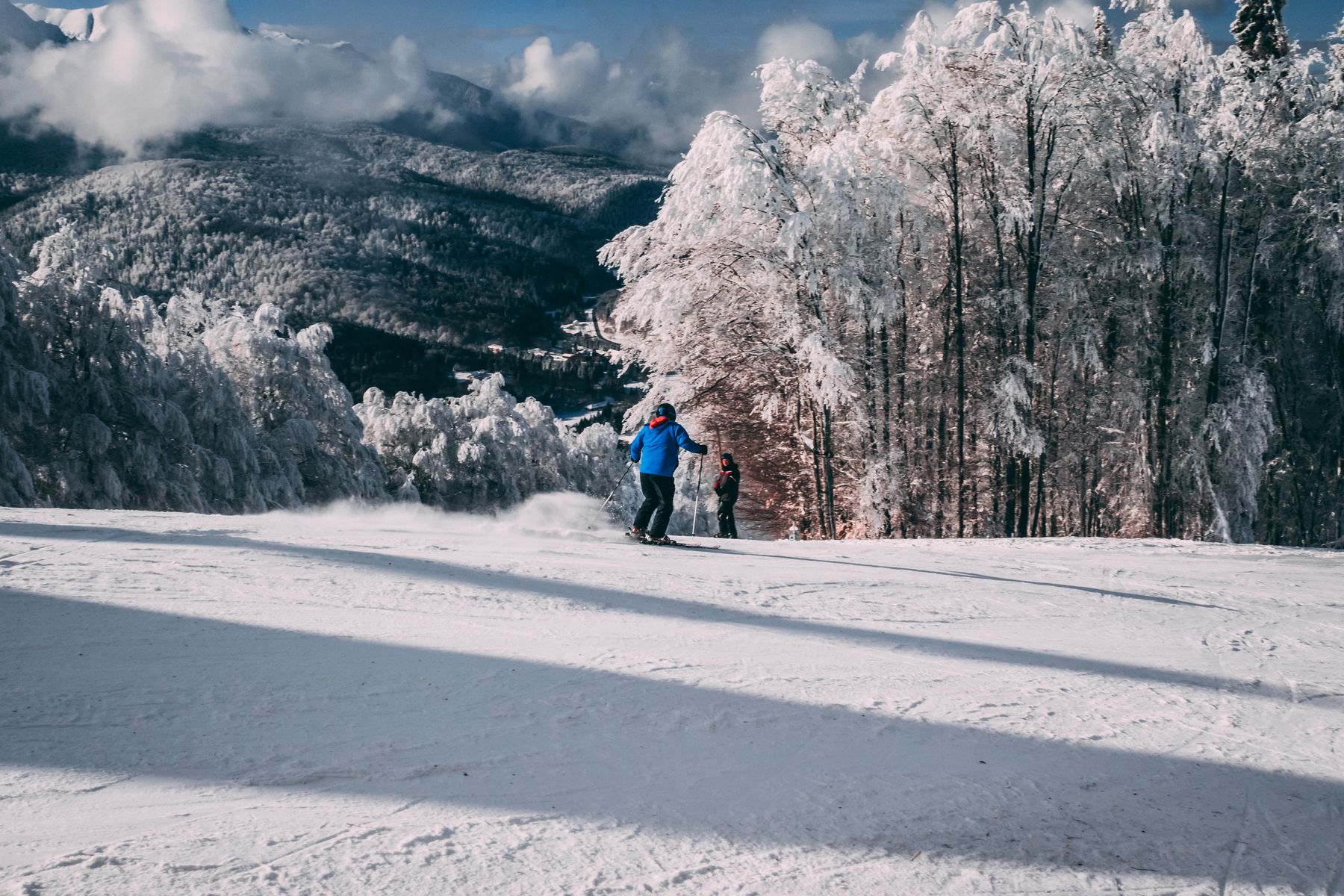
Rates swing more sharply here than almost anywhere else in Bulgaria. The ski season runs from mid-December to early or mid-April, and the week from 27 December to 5 January is the single most expensive stretch of the year, often at double or triple the November rate. February half-term and the first fortnight of March are the next tier down; late March and early April still have snow up top and much softer prices. Orthodox Easter and 15 August, the Dormition, fill rooms in the valley because both send coach traffic to Rila and Rozhen, and the Bansko jazz festival on Nikola Vaptsarov Square in the second week of August fills the Old Town for free concerts. May, June, October and November are the genuinely quiet months.